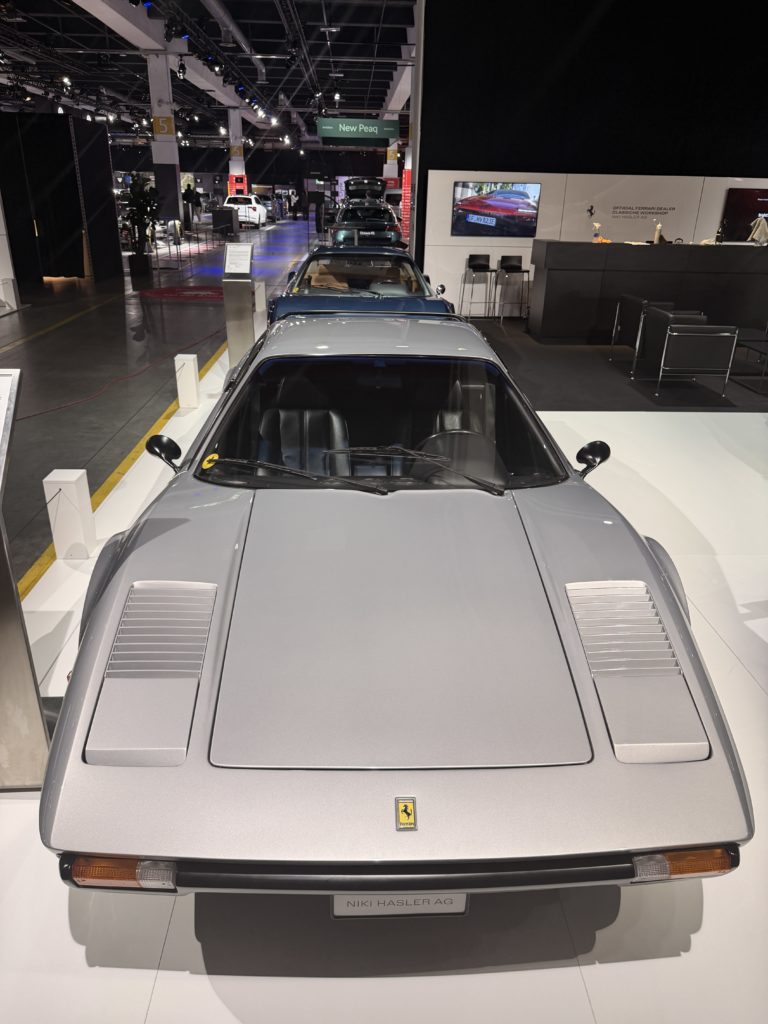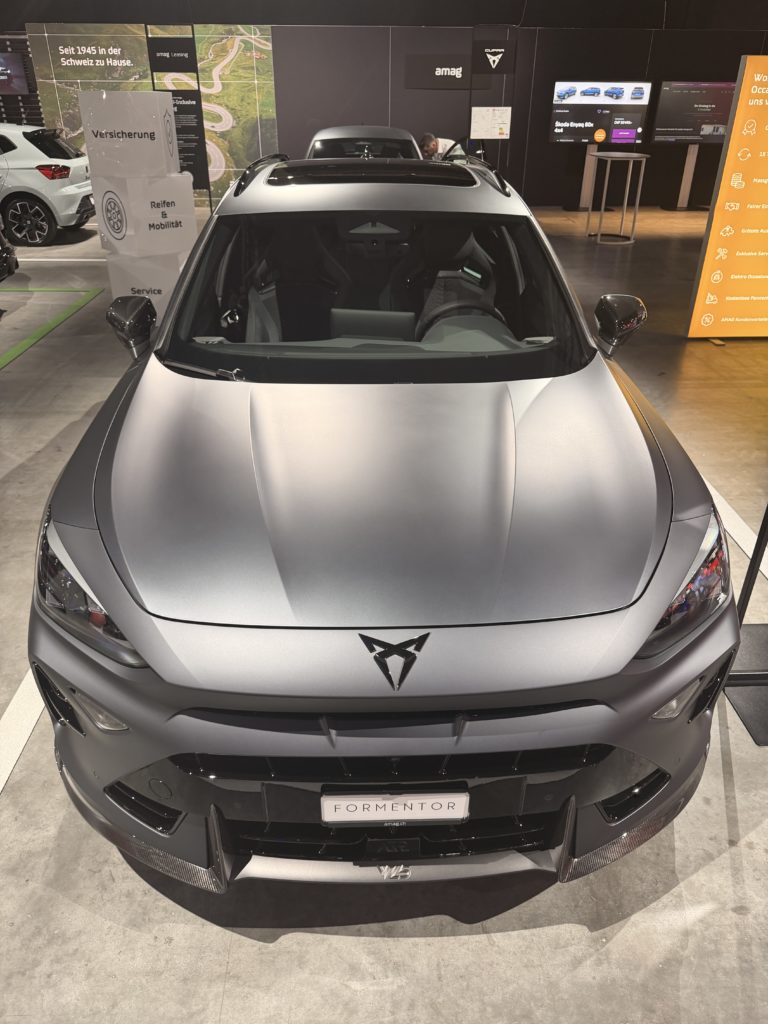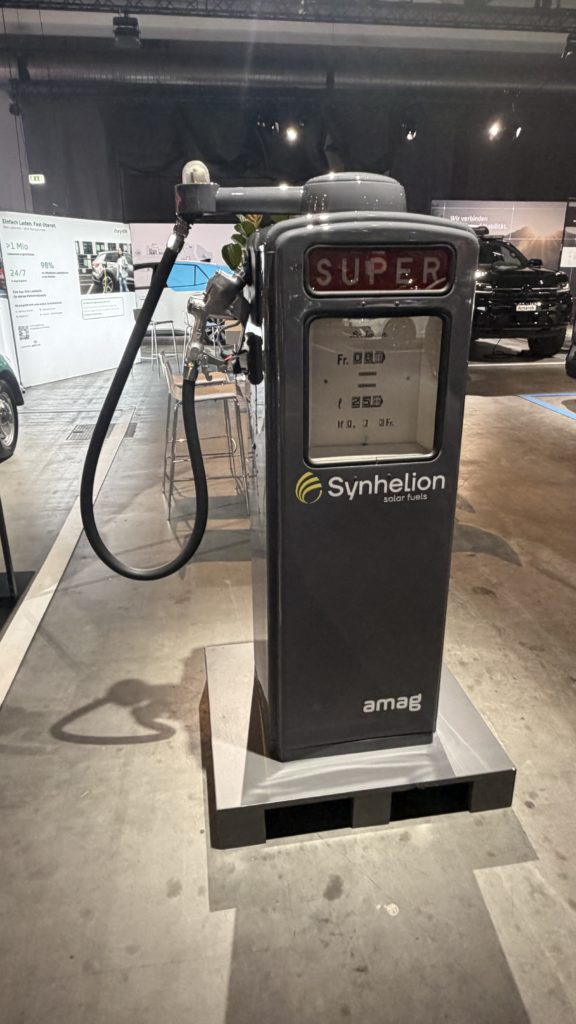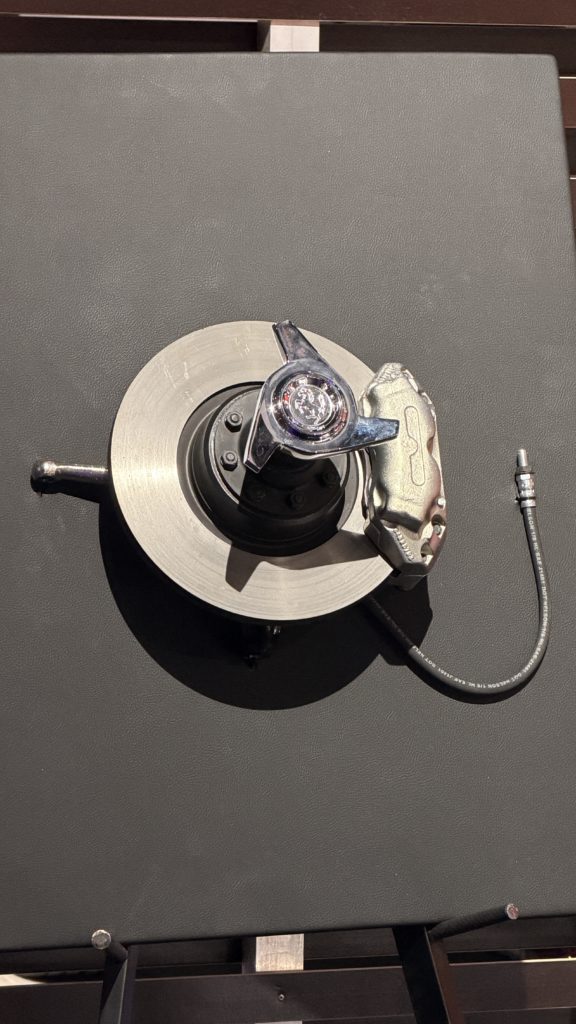
An editorial journey through automotive design, Formula 1, craftsmanship and the people behind Switzerland’s evolving motor show.
Official Story
The 39th edition of Auto Zürich took place at Messe Zürich from 5 to 8 November 2026, preceded by its dedicated Media Day on 4 November.
With 72 participating automotive brands and more than 100 new models and premieres announced, the exhibition brought together an unusually broad spectrum of contemporary motoring. Electric city cars, family vehicles, performance machines and exceptional collector automobiles shared the exhibition halls.
The 2026 edition also reflected a changing industry. According to the organisers, 18 participating brands originated from China, compared with five in 2023. Established European manufacturers appeared alongside companies seeking a stronger presence in the Swiss automotive market.
Among the announced highlights were the Aston Martin Valhalla, Pininfarina Battista Novantacinque, Range Rover Electric and Bentley Torcal.
Motorsport added another dimension. The presence of Formula 1 cars representing Audi and Cadillac connected the exhibition to two significant developments in the 2026 championship.
Audi entered Formula 1 with its own factory team and the R26, while Cadillac joined the championship as its eleventh team. Beyond the spectacle of the cars themselves, both programmes represent substantial commitments to engineering, competition and technological development.
The exhibition’s MANUFAKTUR & CLASSIC area offered a complementary perspective, bringing historic automobiles, specialist craftsmanship and collector culture into conversation with the latest developments in the industry.
Zürich and the changing Swiss motor-show landscape
The closure of the Geneva International Motor Show, announced in May 2024, marked the end of a major chapter in European automotive exhibition history.
For decades, Geneva was closely associated with international premieres, concept cars and exceptional coachbuilding.
Auto Zürich operates with a different identity: a broad representation of the automotive market, contemporary mobility and specialist automobile culture within a more compact exhibition environment.
Its continued development illustrates how the Swiss motor-show landscape has changed. Rather than simply replacing Geneva, Zürich represents another approach to connecting manufacturers, specialist businesses, the media and automotive enthusiasts.
My Editorial Experience
A different perspective on the automobile
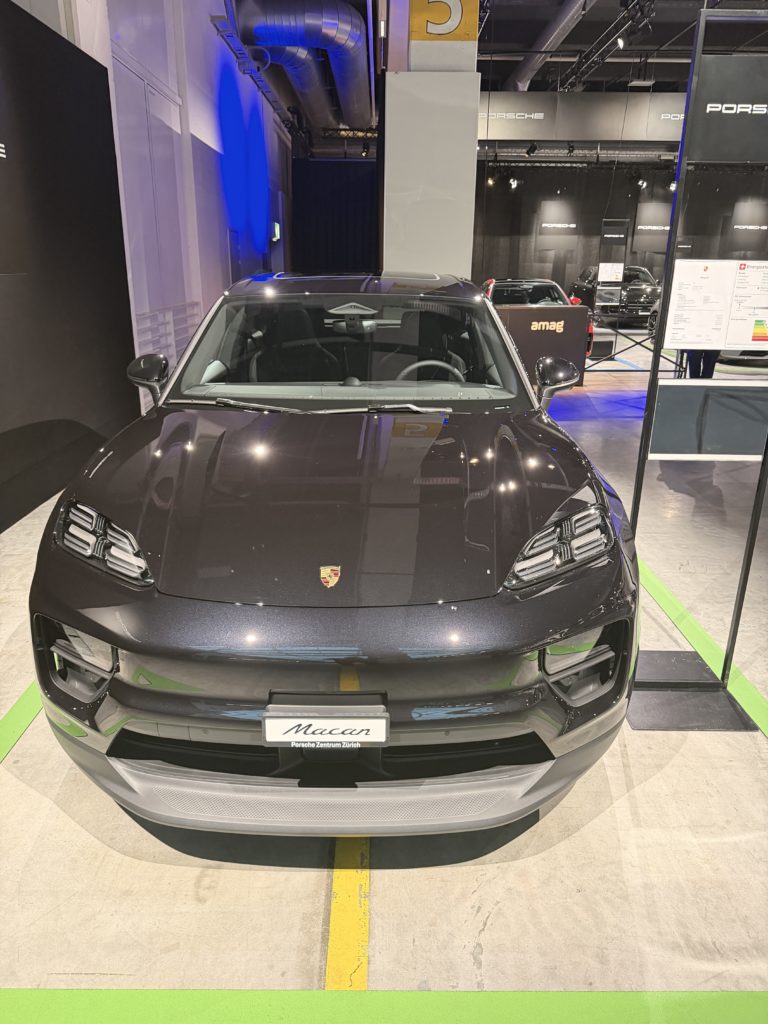
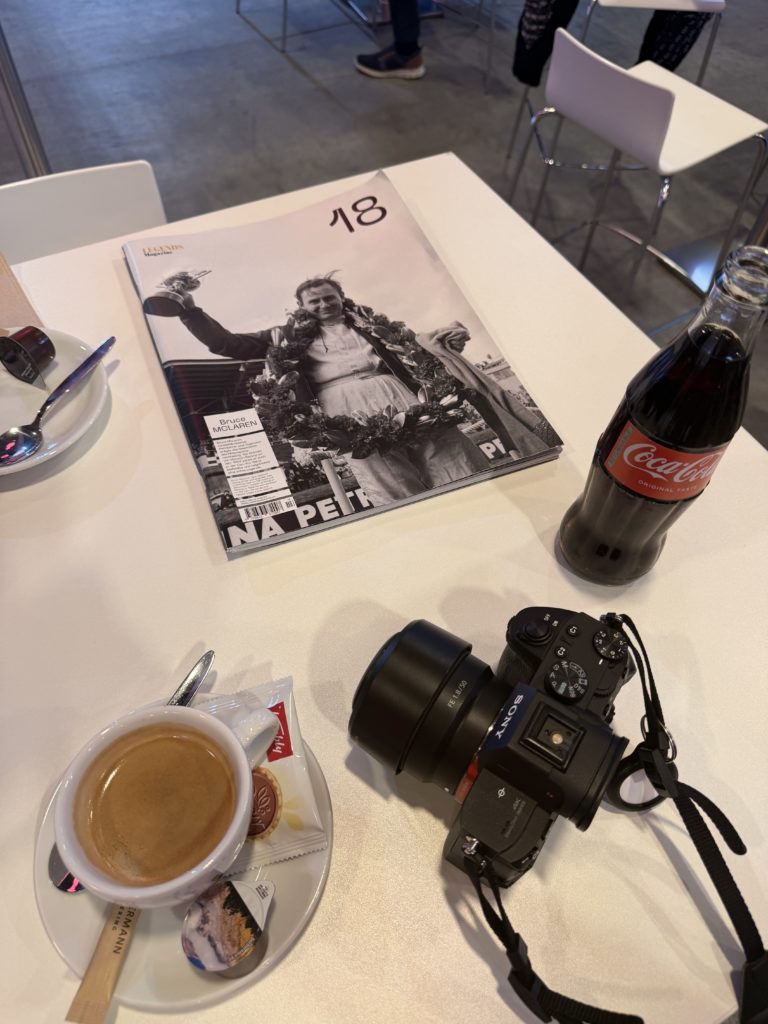
Visiting Auto Zürich during its Media Day offered an opportunity to photograph the exhibition beyond the conventional presentation of new models.
The visual story extended from illuminated exhibition stands and contemporary sports cars to historic racing machinery, technical installations and the people gathered around them.
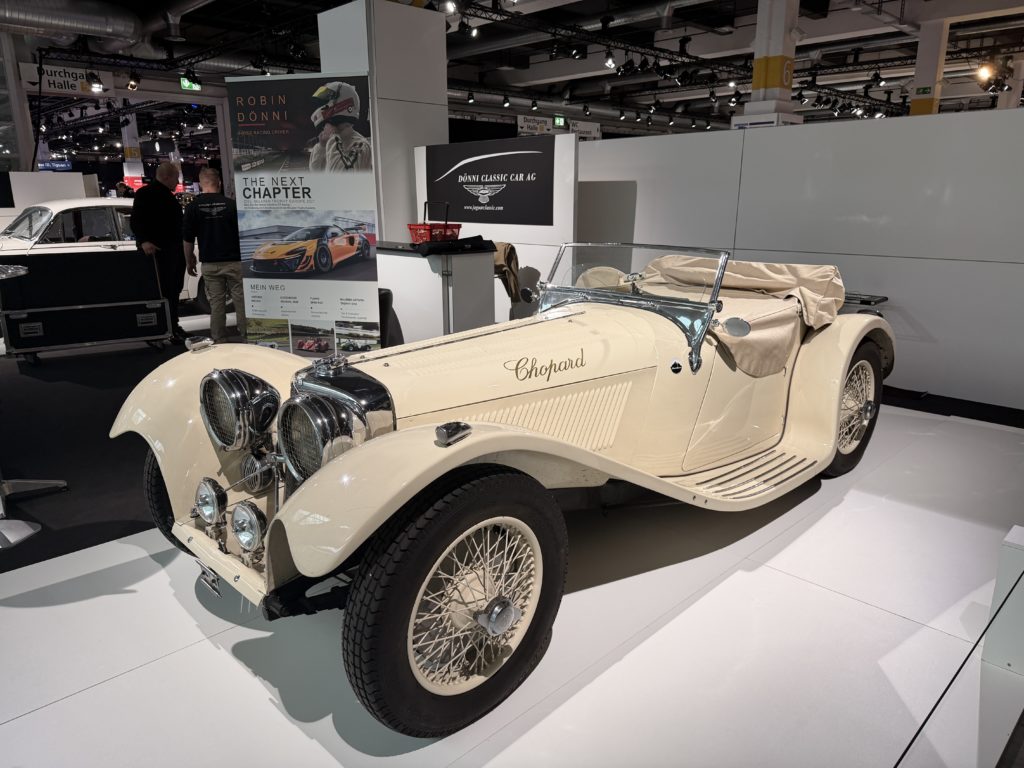
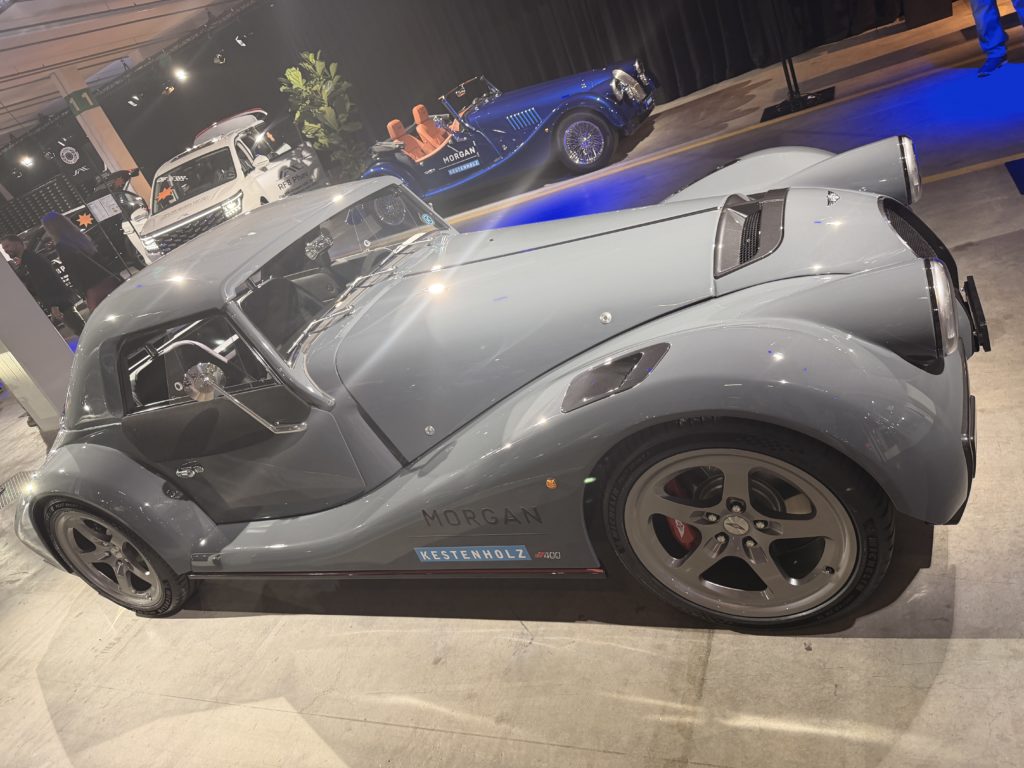
The photographs reveal an exhibition where different generations of automotive design coexist. A historic competition BMW appears within reach of a modern Formula 1 machine; a classically styled sports car stands not far from a contemporary electric vehicle.
It is this proximity between apparently different automotive worlds that gives the exhibition much of its photographic interest.
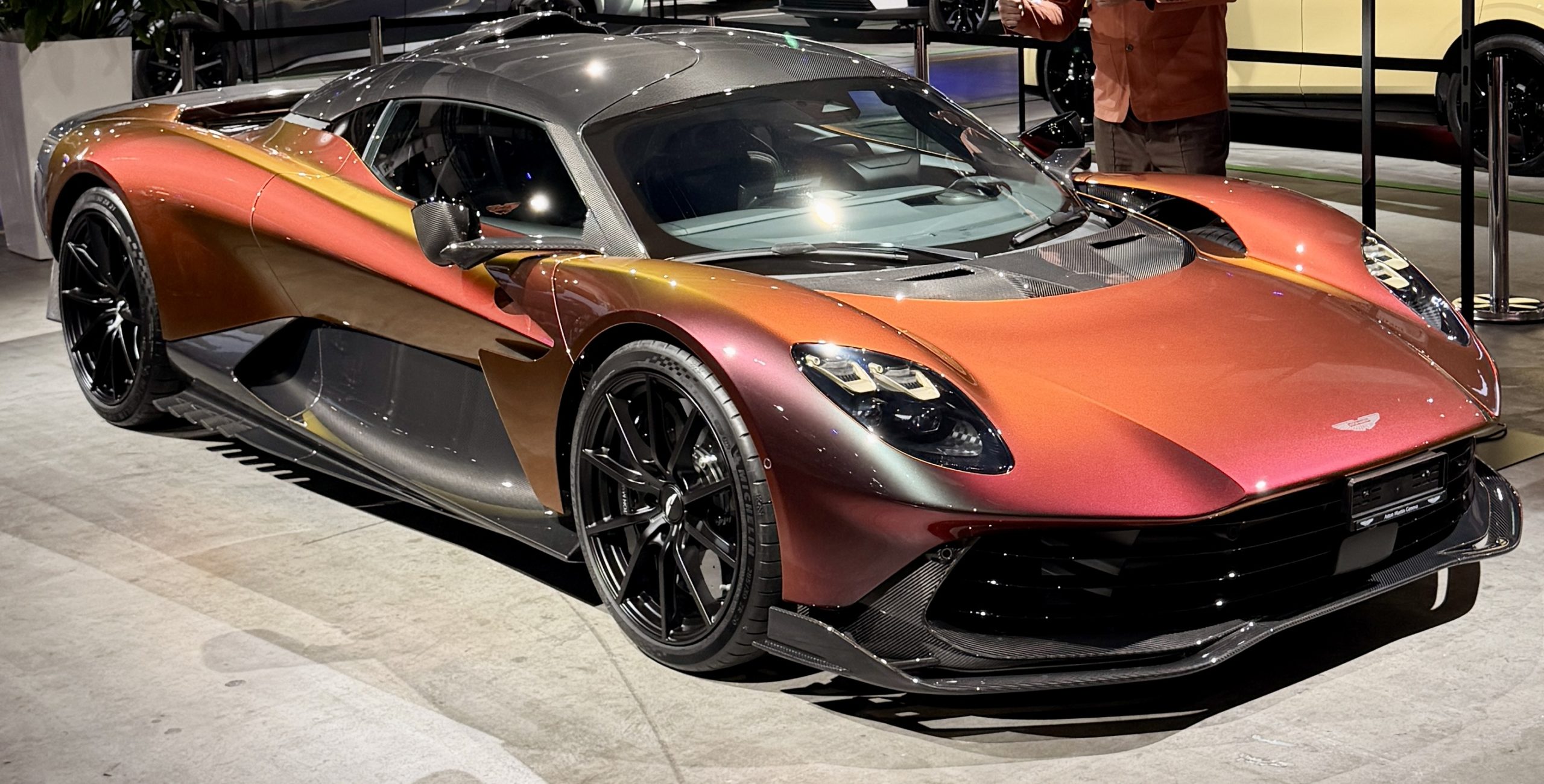
Aston Martin Valhalla — Formula 1 Engineering Meets Road-Going Design
Among the exceptional automobiles at Auto Zürich 2026, the Aston Martin Valhalla stood out for its distinctive combination of sculptural design and advanced engineering.
Finished in a striking copper-red metallic colour with exposed carbon-fibre elements, the car revealed its aerodynamic architecture particularly well under the exhibition lighting. The low front splitter, deeply sculpted side sections and flowing roofline gave the Valhalla a visual identity closely connected to motorsport.
Beneath its carbon-fibre bodywork, Aston Martin combines a 4.0-litre twin-turbocharged V8 with three electric motors, producing a total of 1,079 PS. The manufacturer quotes a 0–100 km/h acceleration time of 2.5 seconds and a maximum speed of 350 km/h. Production is limited to 999 examples.
For Palomino, the Valhalla provided an opportunity to explore the relationship between automotive design, materials and Formula 1-derived engineering through original photography and video. Its surfaces, proportions and construction details made it one of the most compelling subjects of the Media Day.
Audi R26 — Formula 1 enters a new chapter
One of the most technically compelling exhibits was the Audi Formula 1 car.
Finished in a combination of metallic grey, black and red, the single-seater presented an unmistakably contemporary interpretation of racing design.
Its exposed suspension, sculpted aerodynamic surfaces, broad tyres and compact cockpit offered a particularly direct view of the engineering priorities behind modern Formula 1.
The Audi R26 represents the manufacturer’s arrival as a factory Formula 1 team in 2026. Its hybrid powertrain combines a 1.6-litre turbocharged V6 with a substantially increased contribution from electrical energy.
Photographed on a display inspired by a racing circuit, the car brought the visual language of the paddock into the exhibition hall.
Cadillac MAC-26 — A new American presence
The Cadillac Formula 1 programme marked another significant development in the 2026 season.
With Sergio Pérez and Valtteri Bottas as its race drivers, Cadillac entered the championship as the eleventh team. Its first chassis, designated MAC-26, was named in recognition of American racing champion Mario Andretti.
The contrast between Audi’s established European engineering heritage and Cadillac’s new Formula 1 identity creates a particularly interesting parallel.
Both brands entered the same championship, but with distinct histories and ambitions.
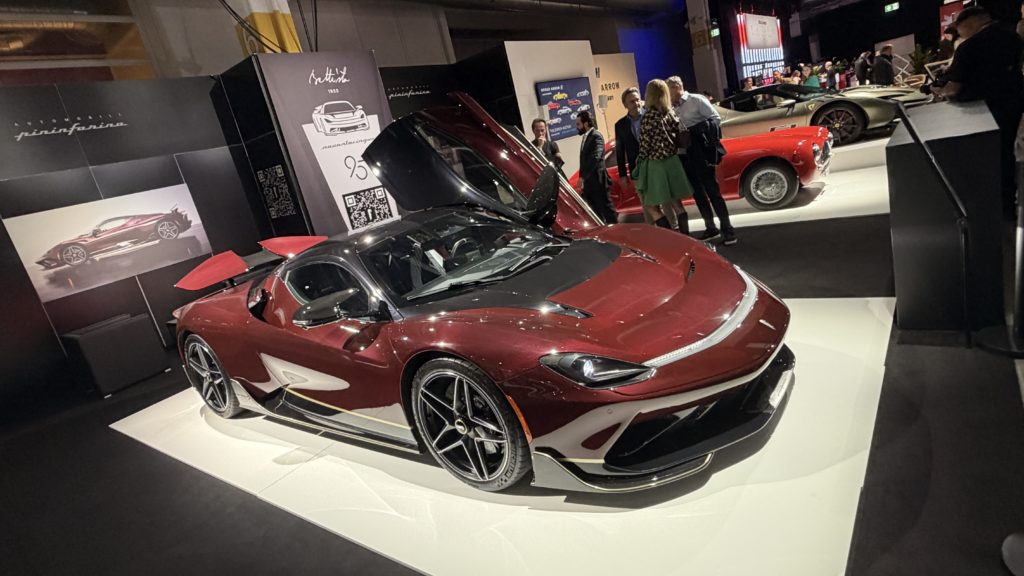
Pininfarina Battista Novantacinque — A tribute to Italian design
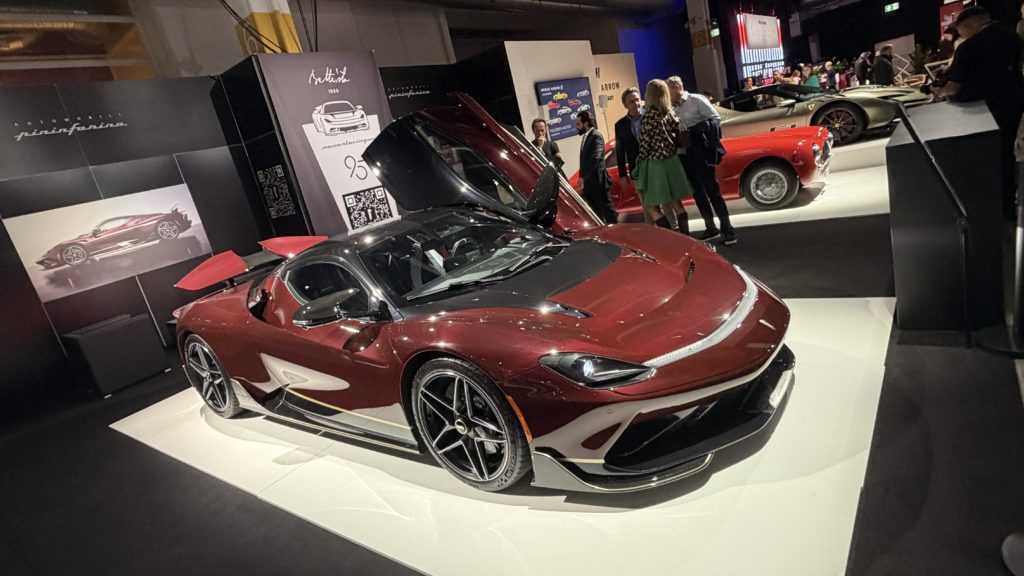
Among the most visually distinctive automobiles was the Pininfarina Battista Novantacinque.
Created to celebrate 95 years of Pininfarina, this one-off interpretation of the electric Battista brings together Italian coachbuilding heritage and contemporary electric performance.
Its sculpted bodywork, dramatic lighting signature and distinctive door opening make it an especially compelling photographic subject.
The car illustrates how the language of traditional Italian coachbuilding can evolve without losing its emphasis on proportion, material and visual restraint.
Rather than treating the automobile solely as a performance machine, the Novantacinque invites consideration of the relationship between engineering, craftsmanship and design.
Koenigsegg — Engineering without conventional limits
A red Koenigsegg brought another approach to extreme performance into focus.
Its low bodywork, compact frontal area, pronounced air intakes and distinctive cockpit architecture reflect the Swedish manufacturer’s unconventional approach to hypercar design.
The car’s visual identity differs significantly from that of traditional grand touring automobiles.
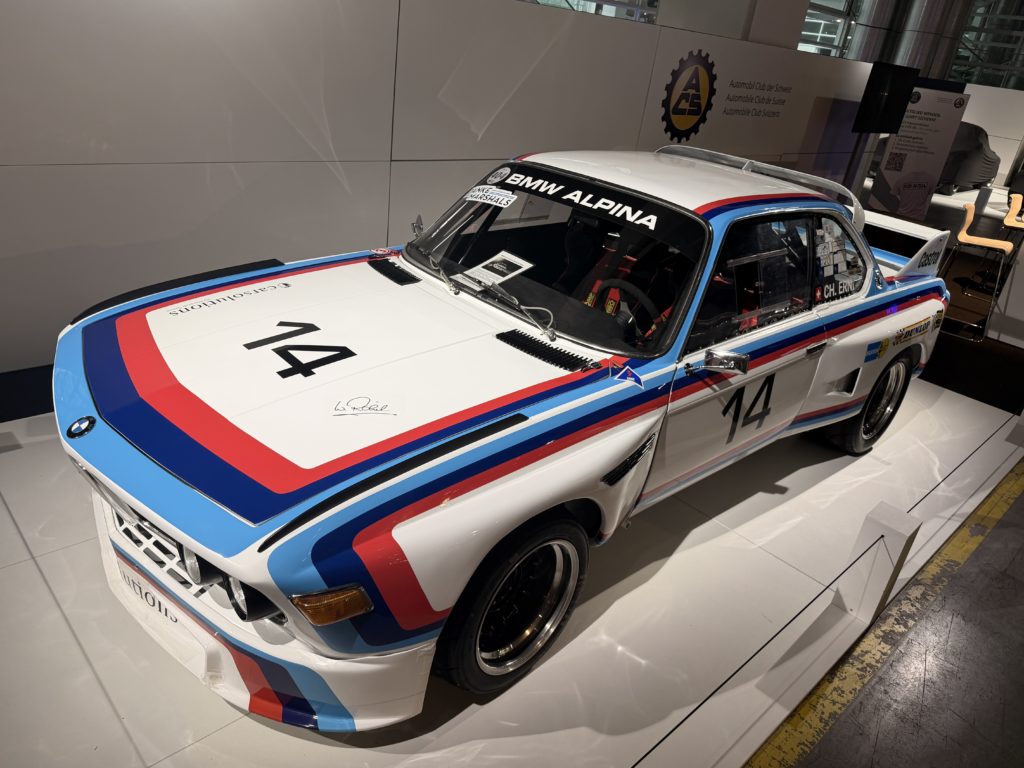
BMW Alpina — The visual language of motorsport history
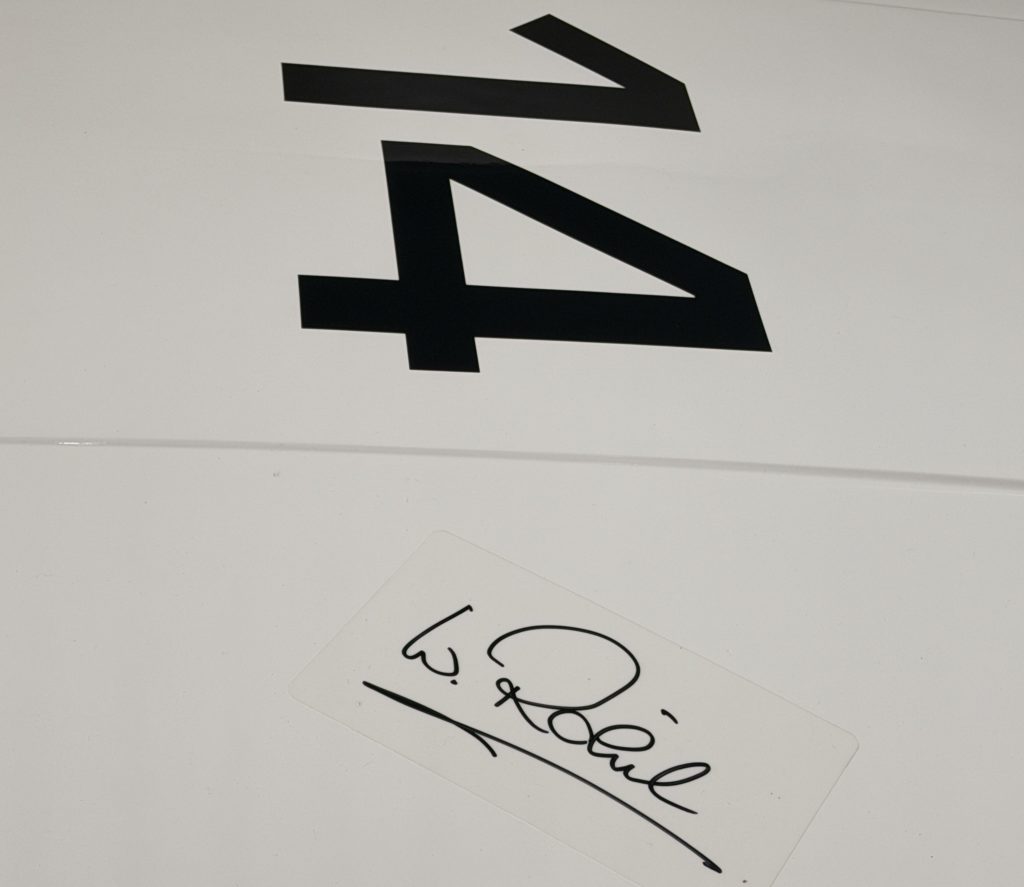
The historic BMW competition car wearing number 14 offered one of the exhibition’s strongest connections with motorsport heritage.
Its white bodywork, broad racing arches and blue-and-red striping immediately evoke an earlier period of touring-car competition.
The contrast with the Audi Formula 1 car is especially revealing: two different generations of racing technology, each shaped by the requirements and possibilities of its era.
Porsche 911 GT3 Bergsport — Performance and the alpine landscape
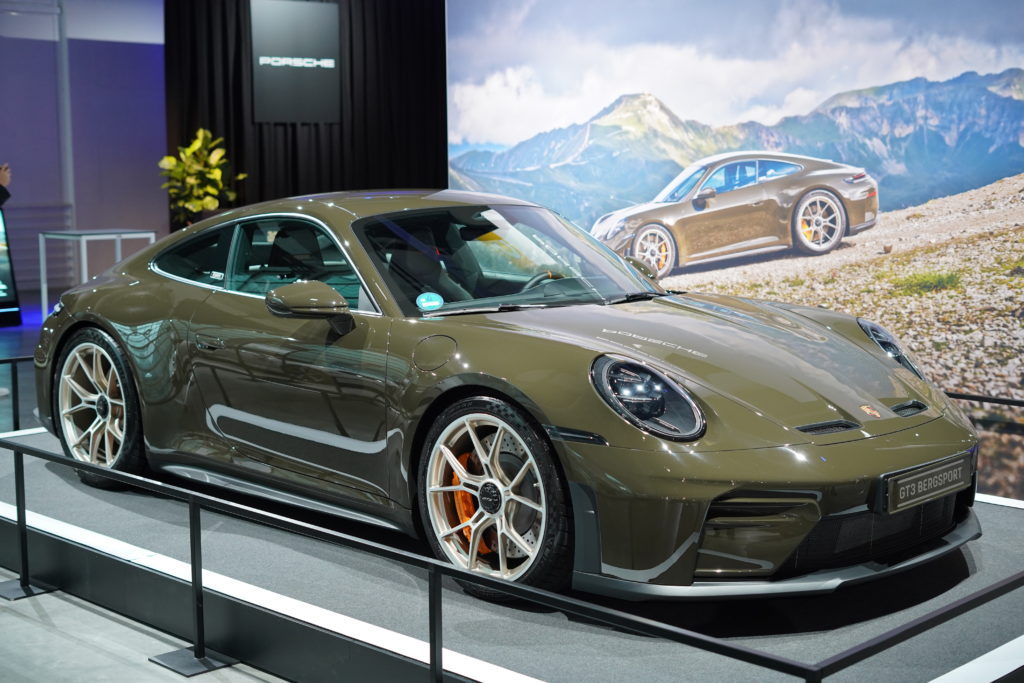
The Porsche 911 GT3 Bergsport was presented in an understated olive-toned finish, accompanied by an image of a mountain landscape.
The display created a clear visual connection between Porsche’s engineering heritage and the culture of driving on Alpine roads.
The car’s low silhouette, prominent air intakes, distinctive wheels and exposed braking hardware provided the principal details of the photographic study.
Beyond the cars
The Media Day was not exclusively about machinery.
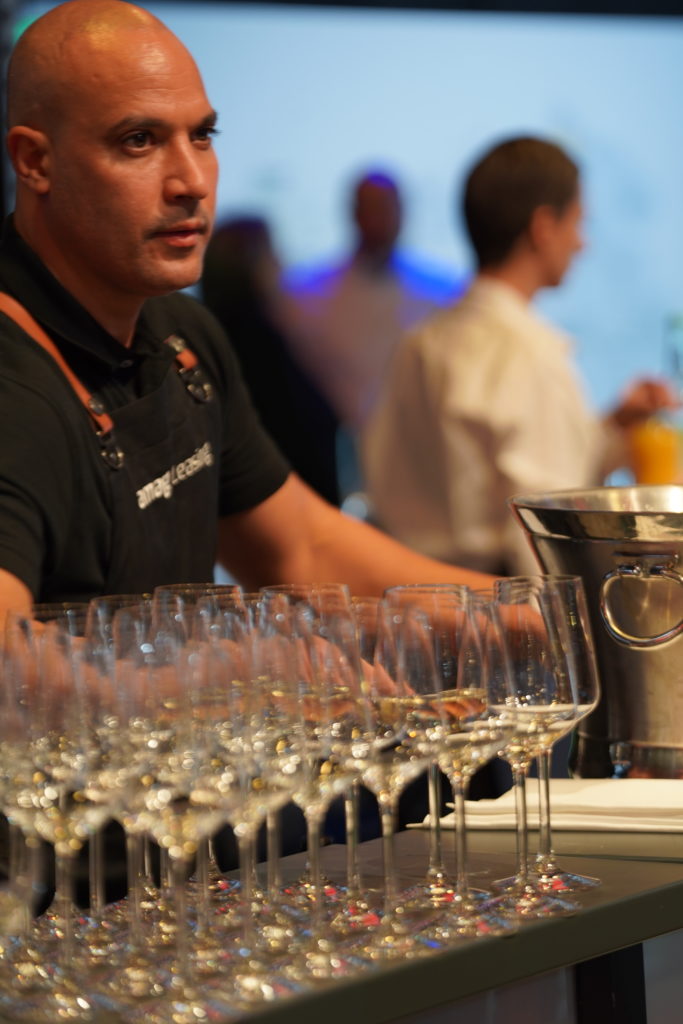
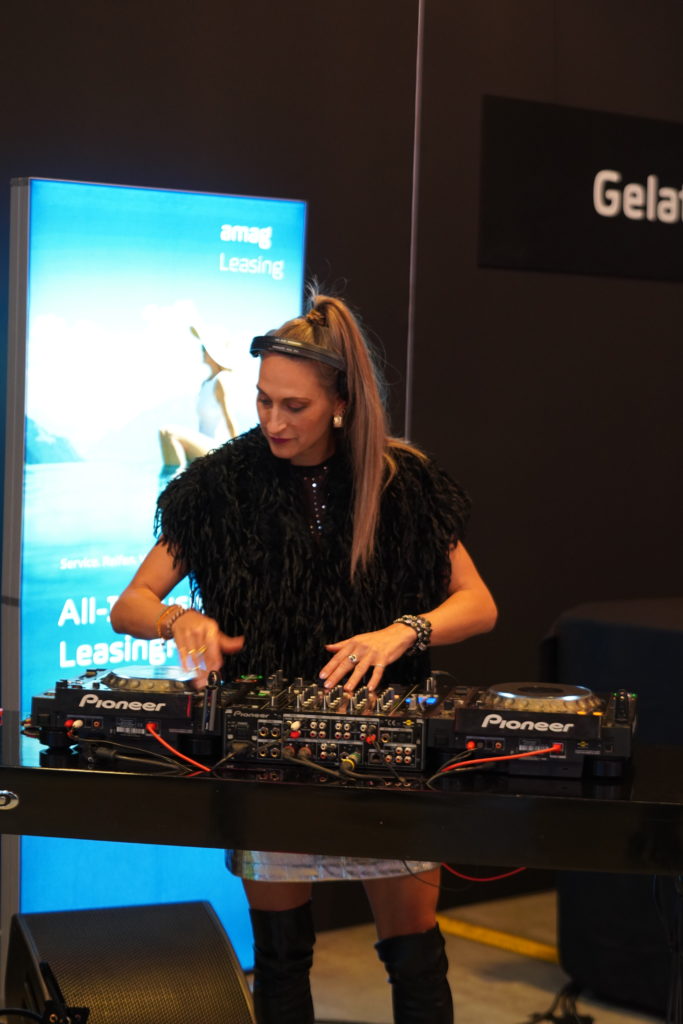
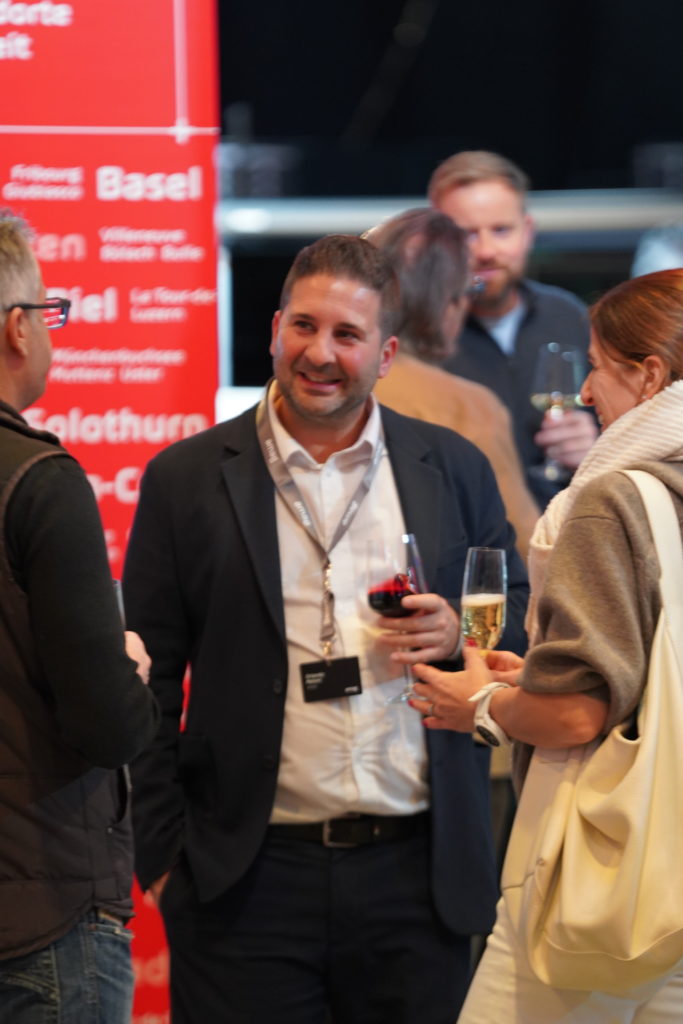
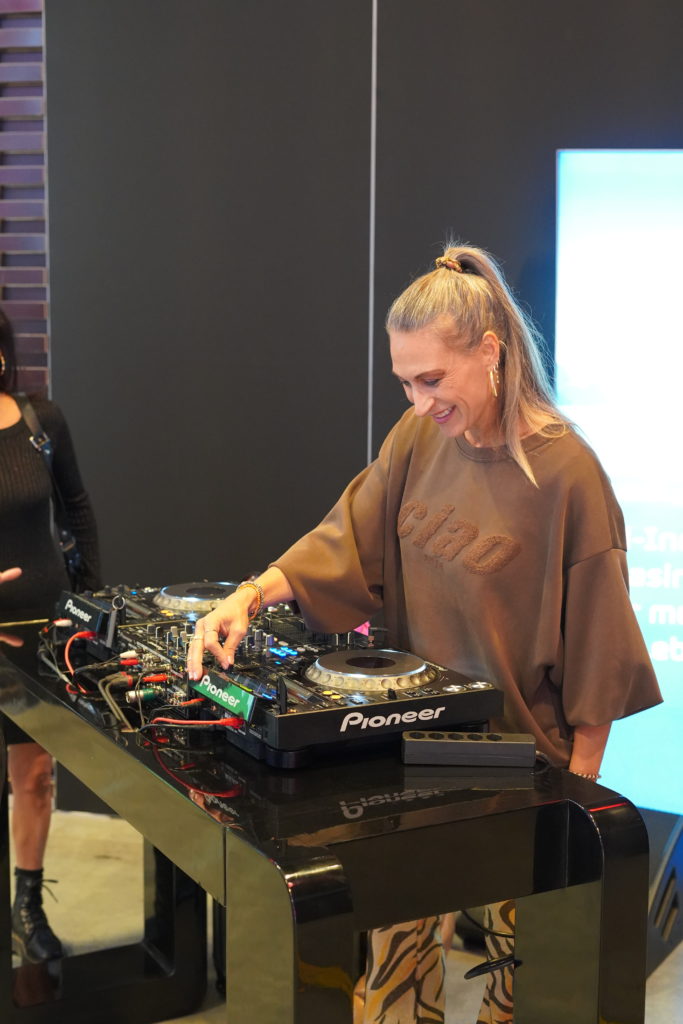
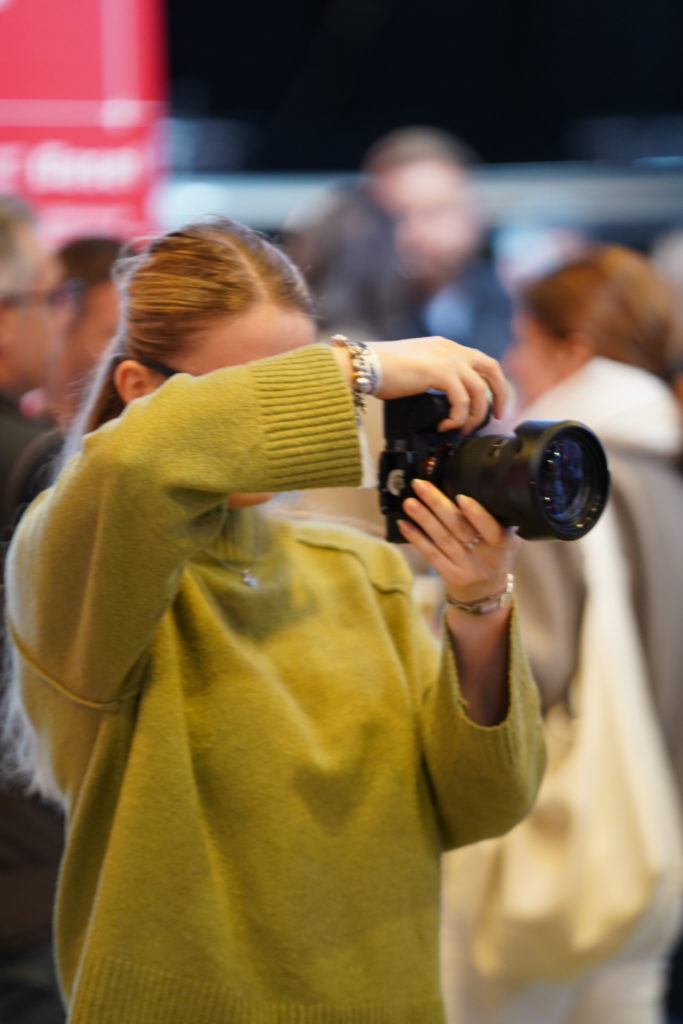
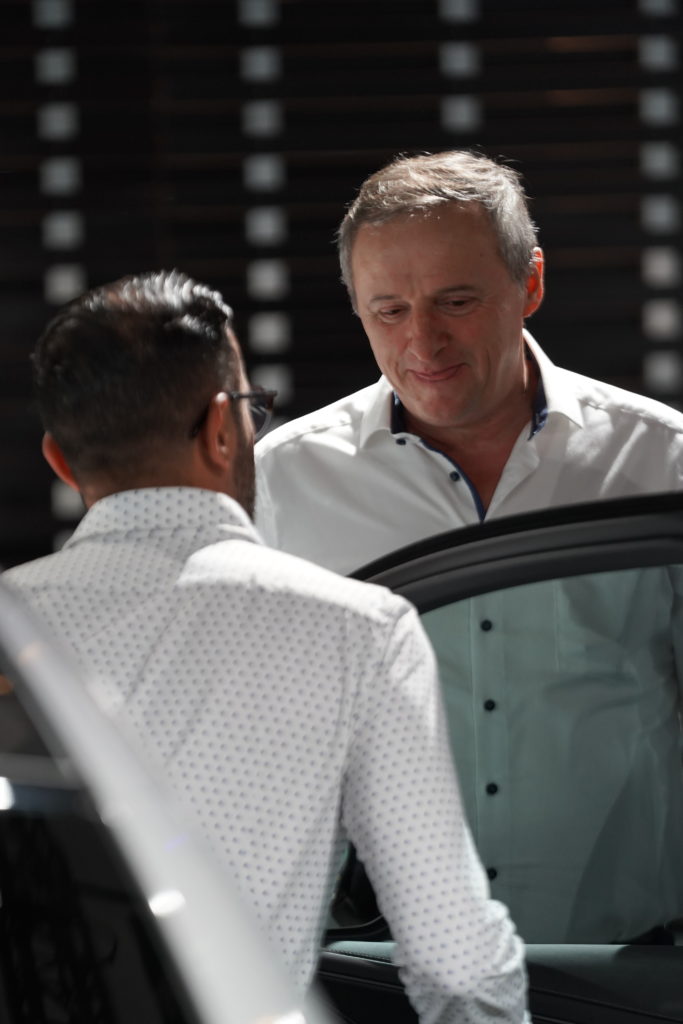
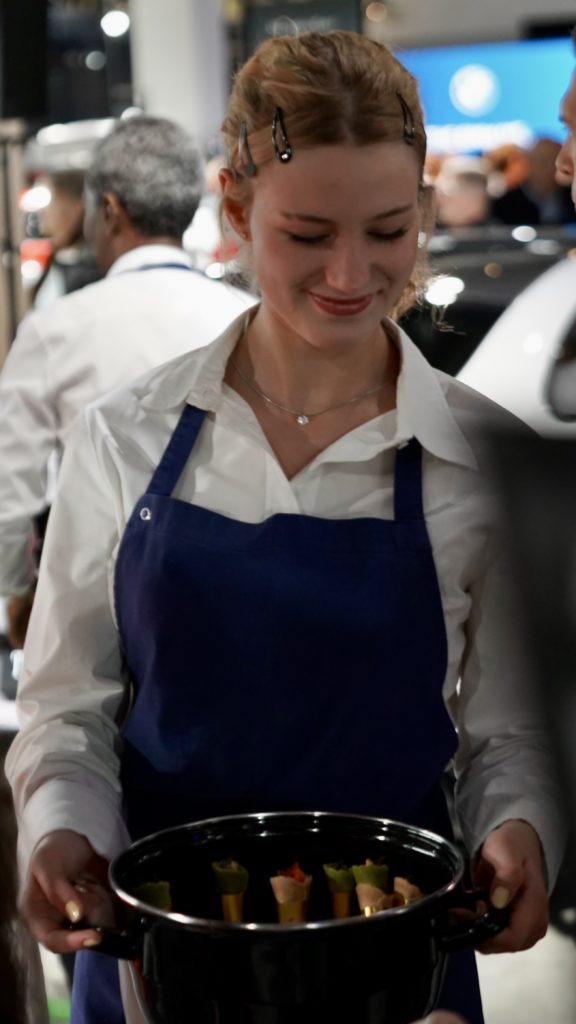
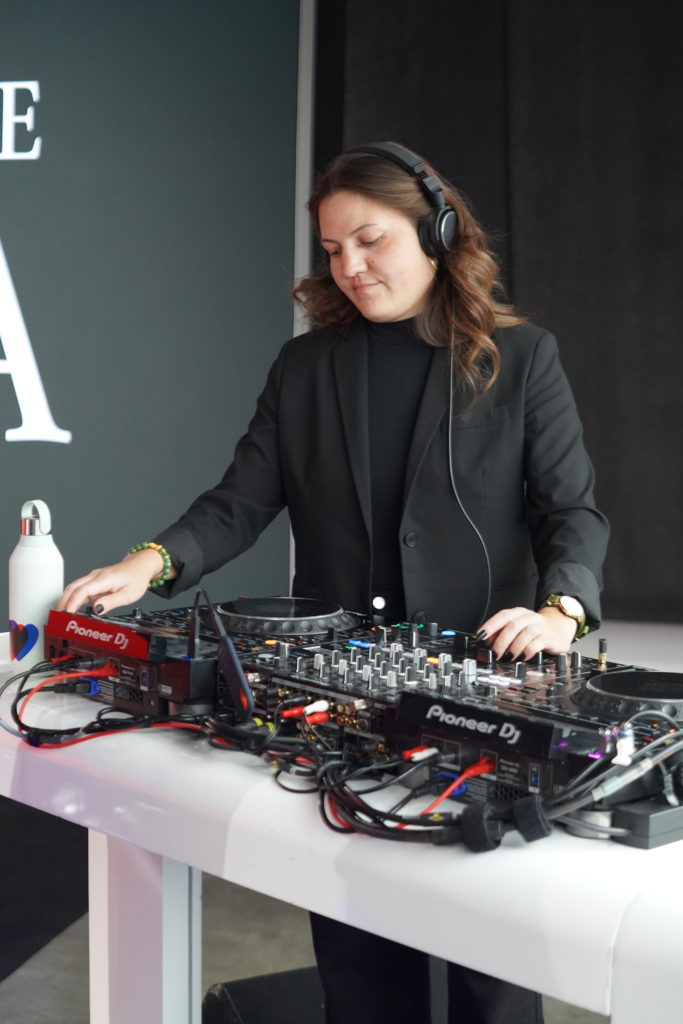
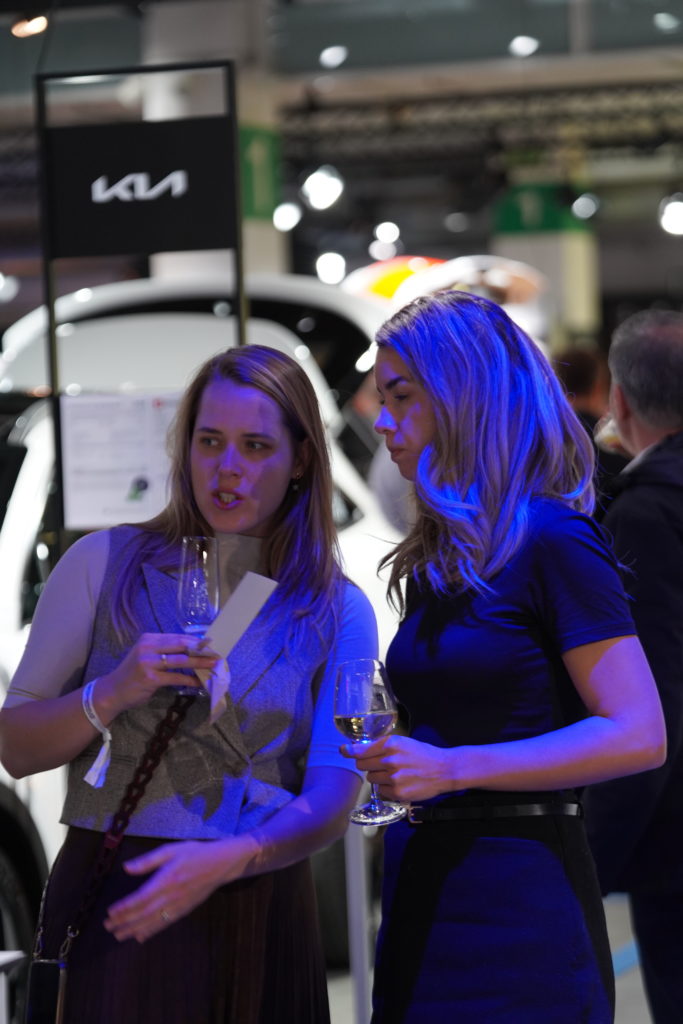
The photographs also document DJs working at their mixing desks, guests exchanging conversations beside the displays, hospitality staff presenting refreshments and photographers concentrating on their next image.
These moments introduce a human rhythm into an otherwise technical environment.
A sequence of a photographer preparing a shot, a carefully arranged tray of small dishes, glasses at a hospitality counter and visitors exchanging a toast all belong to the experience of an automotive exhibition.
They show what takes place around the objects on display: the work, encounters and small gestures that contribute to the atmosphere of the event.
An exhibition between heritage and change
Auto Zürich 2026 brought together several different understandings of the automobile.
For some manufacturers, the conversation centred on electrification and new forms of mobility. For others, it concerned competition, distinctive design, craftsmanship or preserving the mechanical character of earlier generations.
The photographs from the Media Day do not tell the story of a single trend.
They document an automotive world in transition, where the past remains visible alongside new technologies and where an automobile can still be understood as much more than a means of transport.
Palomino Gallery