The Story
From 11 to 15 February 2026, the first official Zurich Fashion Week took over the Kongresshaus Zürich, establishing a new platform for Swiss fashion in the centre of the country’s largest city.
Conceived as a meeting point for fashion, design and creativity, the five-day programme brought emerging and established designers before an audience of fashion professionals, buyers and visitors. Beyond the runway itself, the project places particular emphasis on supporting young talent and connecting the Swiss creative scene with a wider national and international audience.
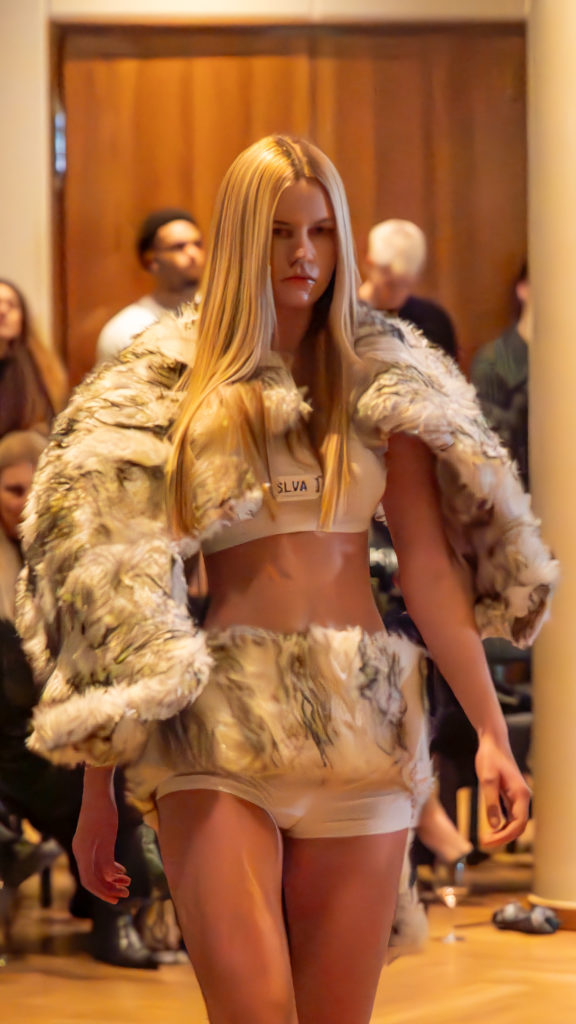
The 2026 edition unfolded through a succession of opening, evening and main shows. On 12 February, the Main Show brought together MUDRYj (formerly Coco Création), Selva Huygens and Ombre — three collections with markedly different visual languages.
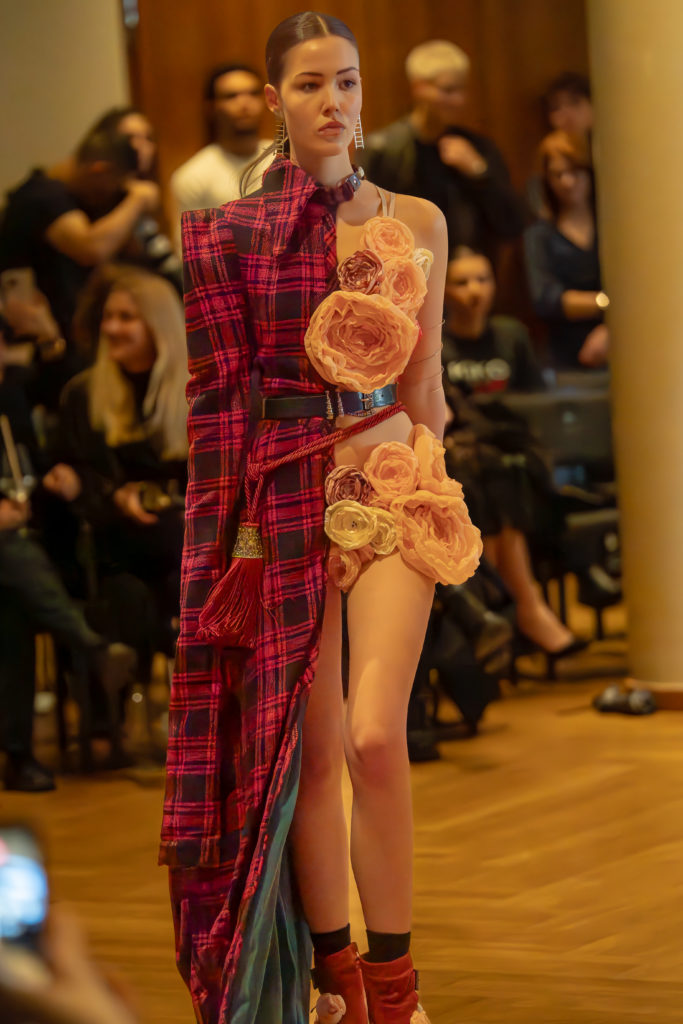
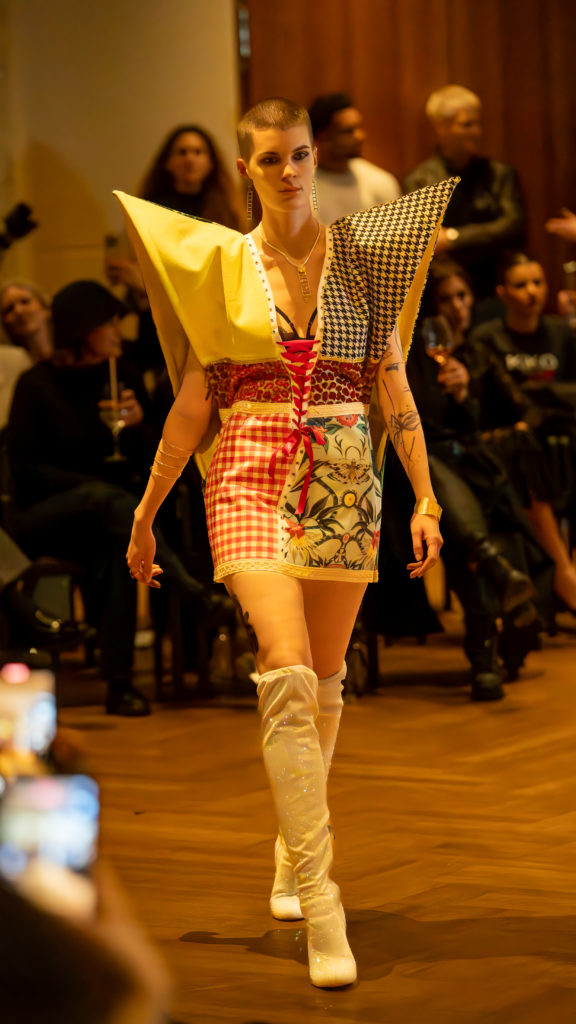
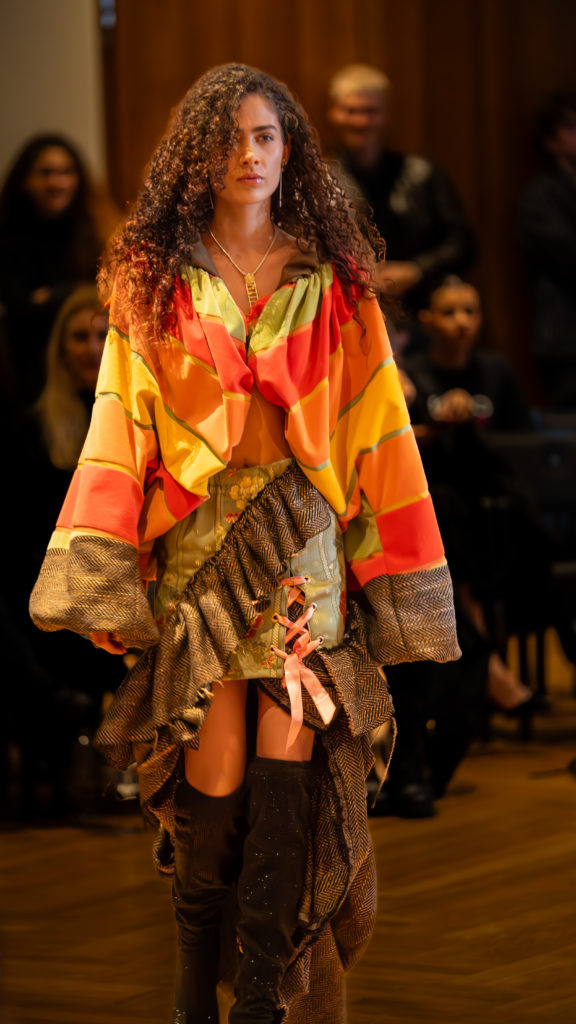
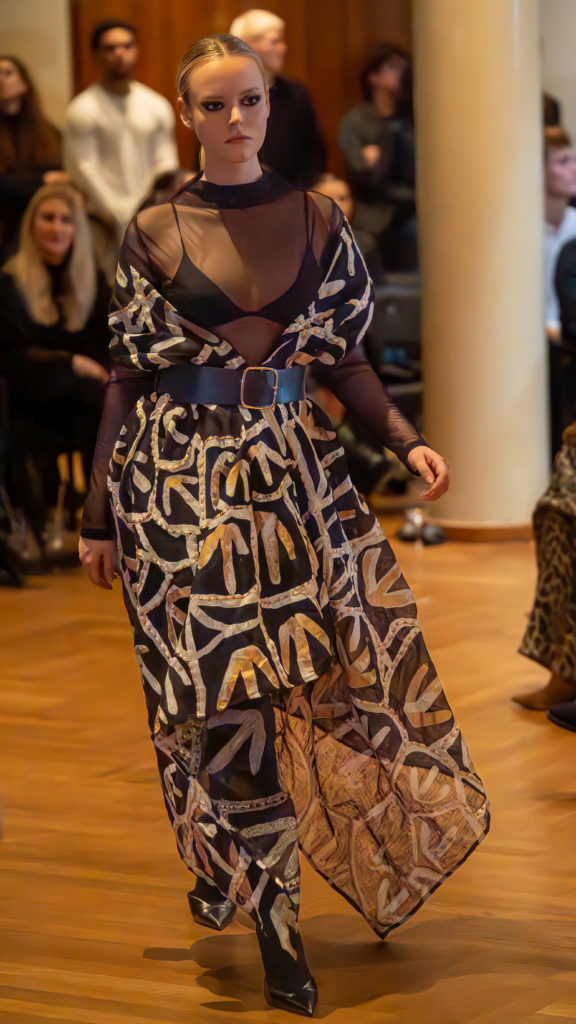
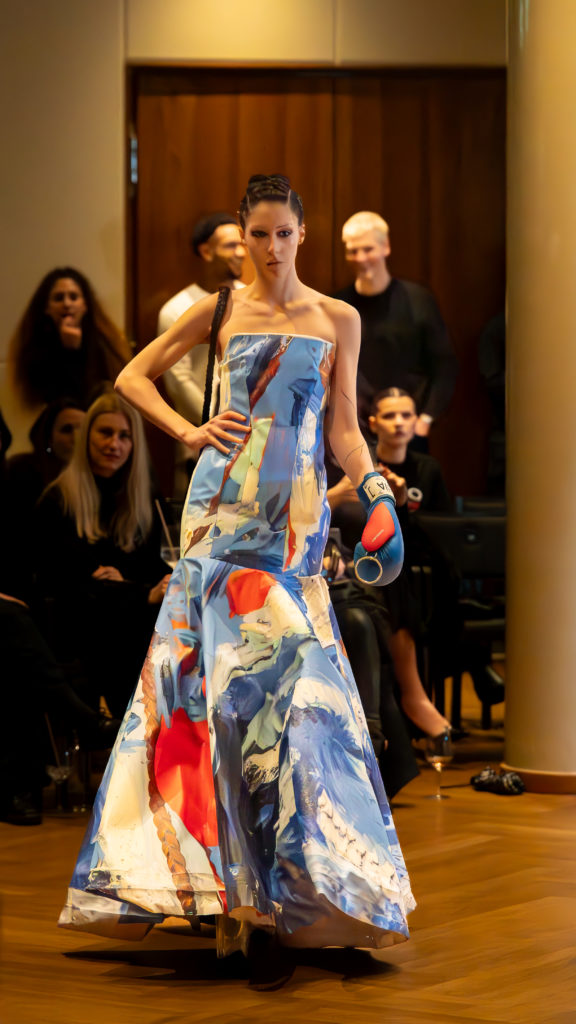
Coco Création approached the runway through bold combinations of pattern, colour and construction. Checks, florals, decorative elements and exaggerated volumes appeared together rather than in isolation, creating silhouettes in which surface and structure competed deliberately for attention.
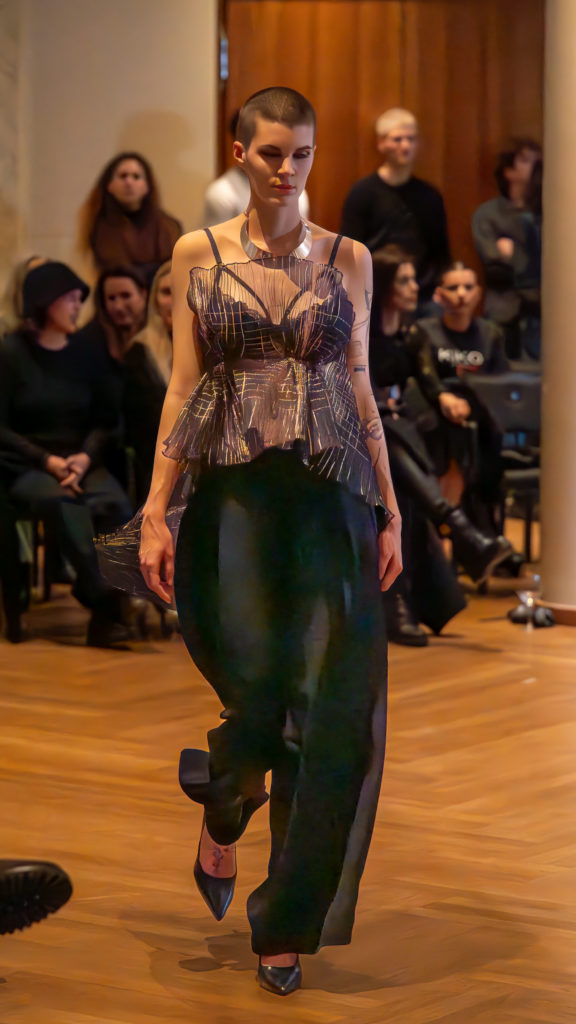
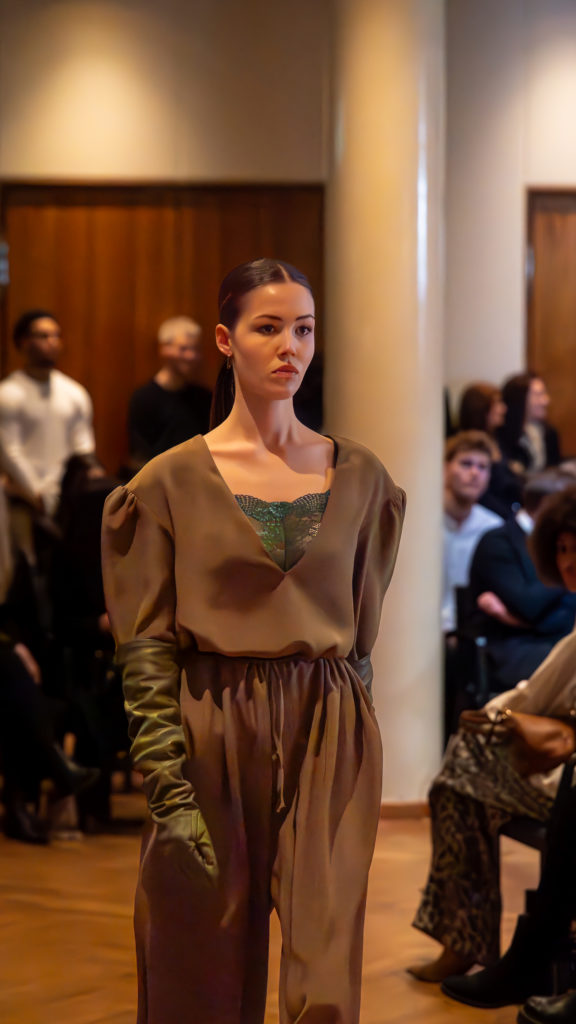
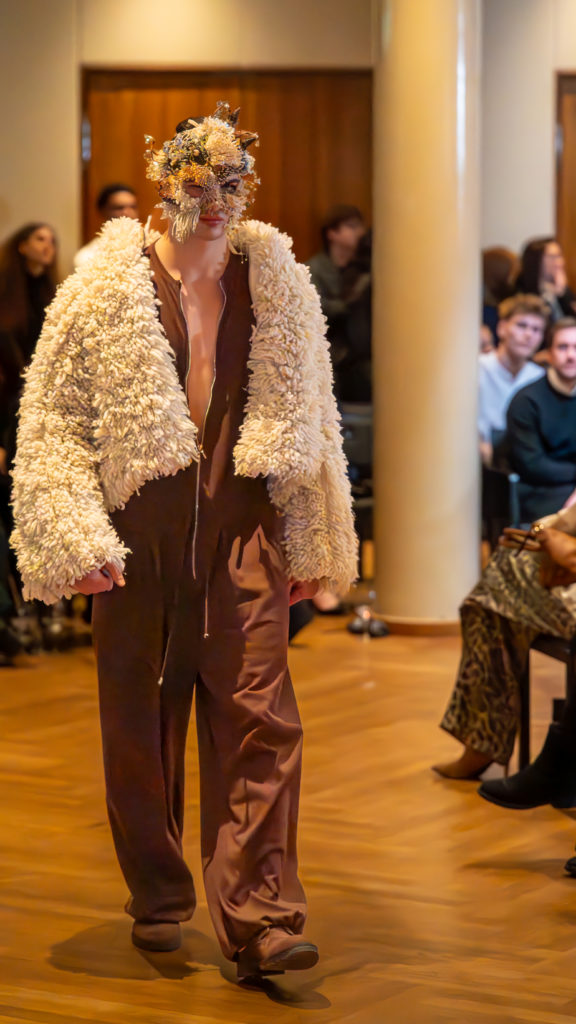
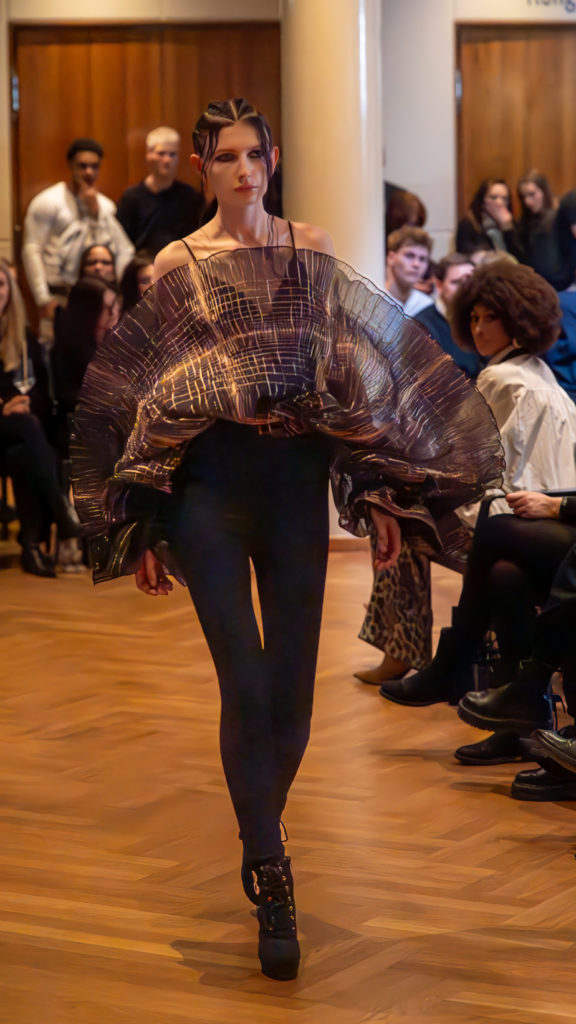
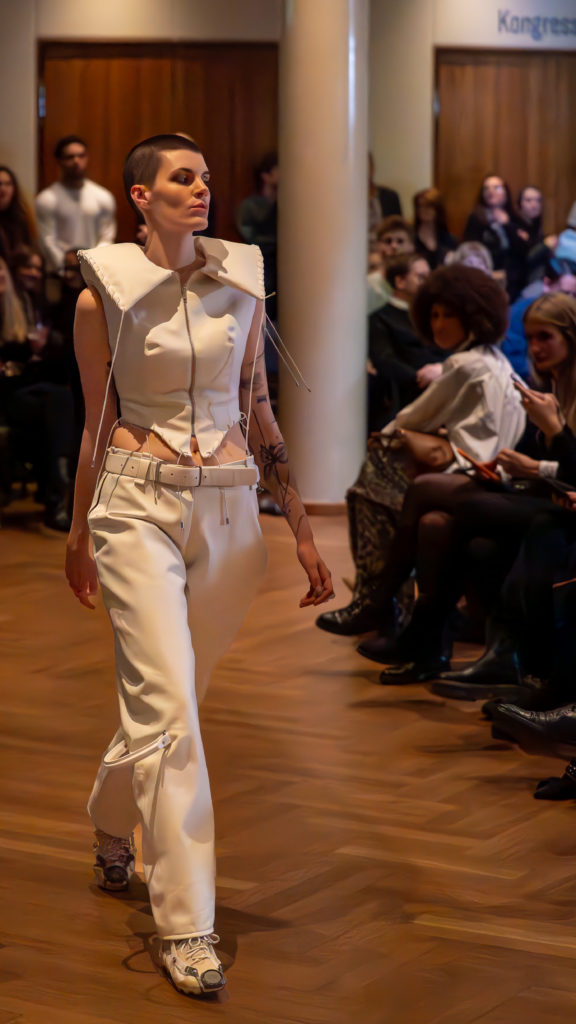
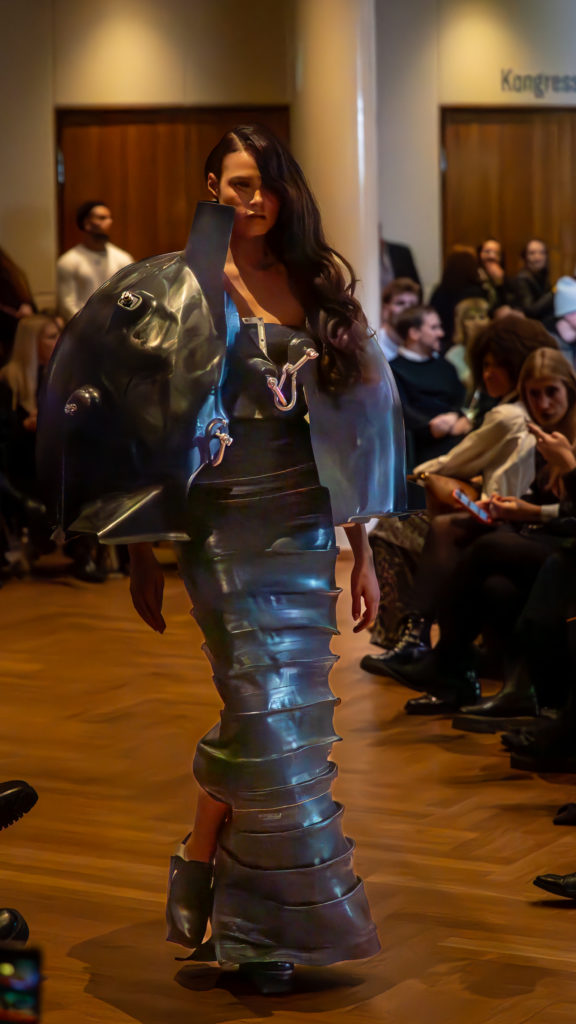
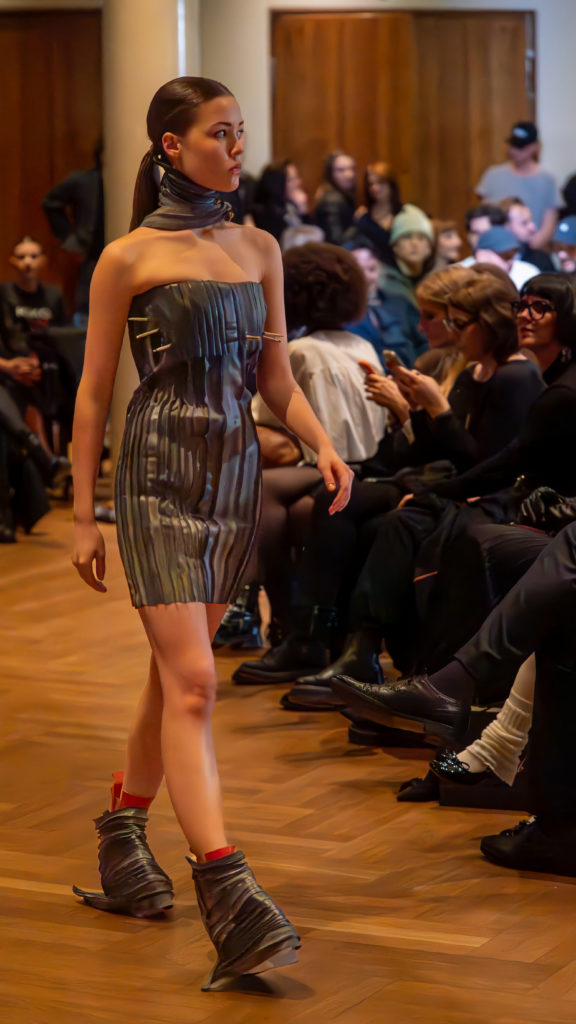
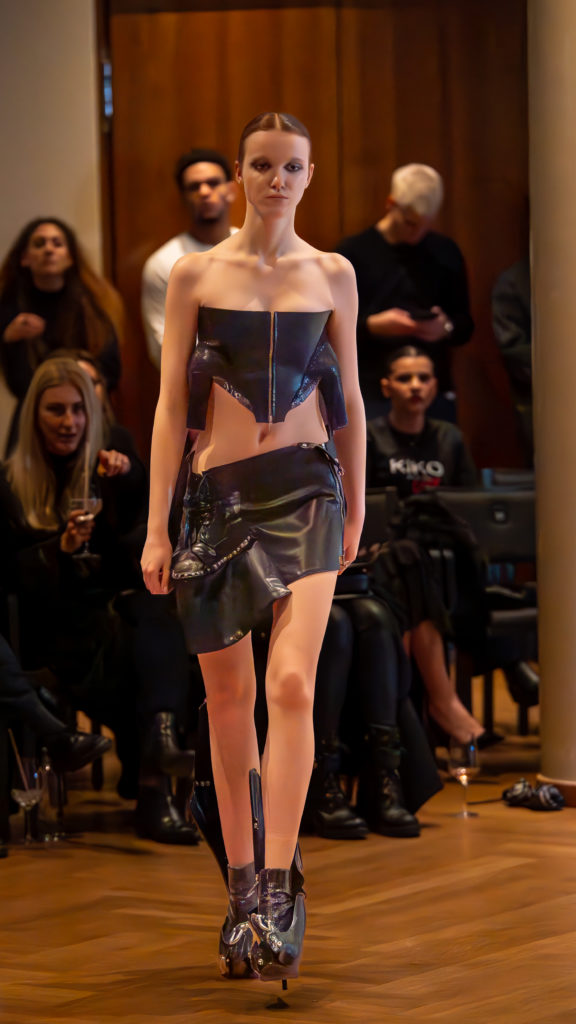
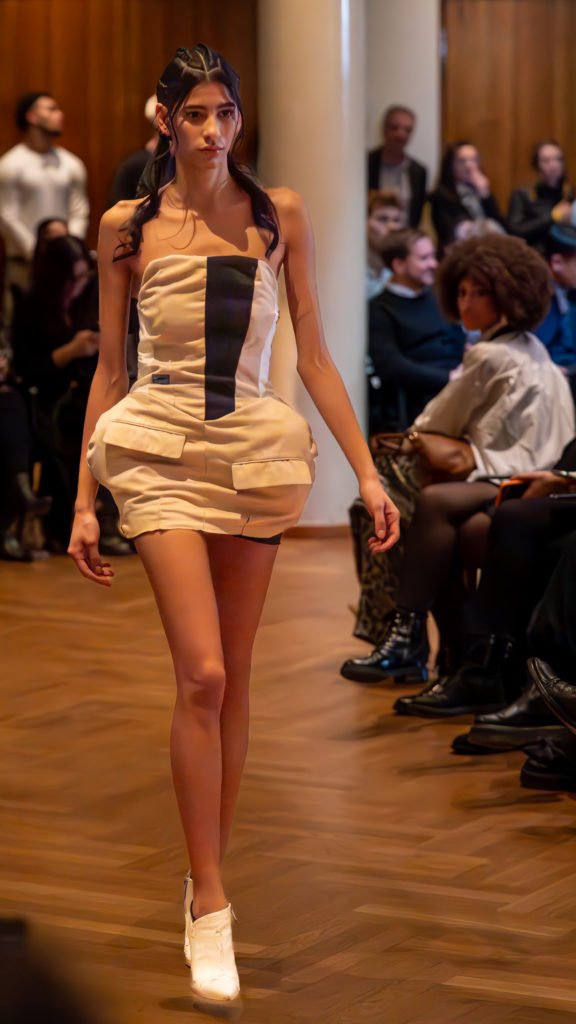
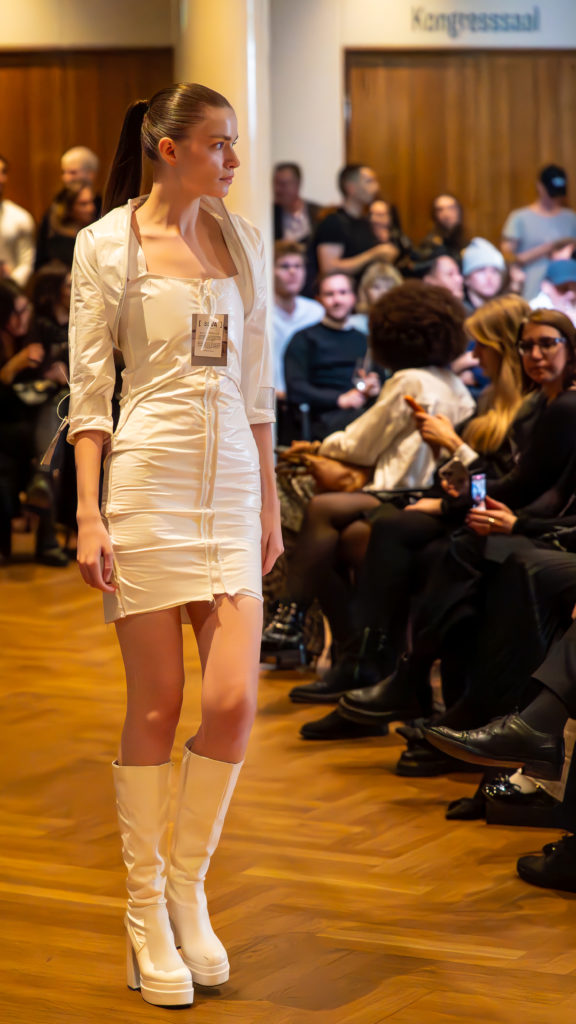
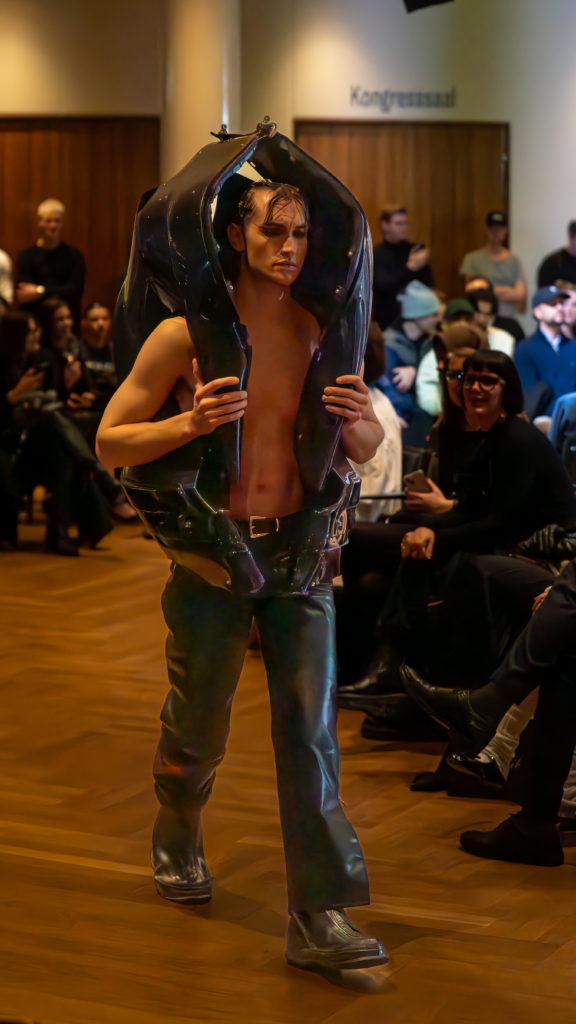
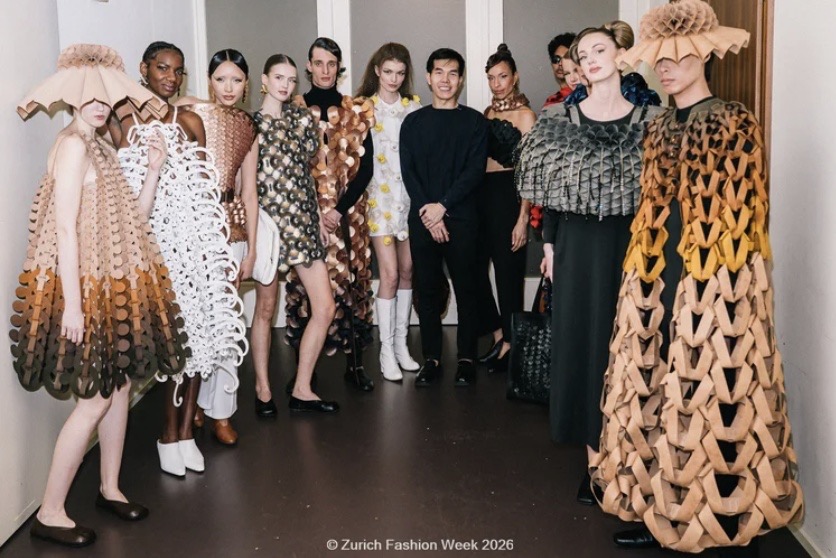
Elsewhere, textiles became increasingly sculptural. Flowers moved from decoration towards construction; chains crossed the body; fabrics were layered, gathered or assembled into unexpected volumes. Selva Huygens and Ombre extended the evening into contrasting territories, from lighter and more restrained silhouettes to darker pieces shaped through reflective surfaces, asymmetry and architectural forms.
Seen together, the collections demonstrated one of the advantages of a platform such as Zurich Fashion Week: rather than imposing a single aesthetic, it can place very different approaches to clothing within the same room and allow their differences to become part of the story.
Before Zurich: Fashion on the Frozen Lake
The project had already provided a striking indication of its ambitions one year earlier.
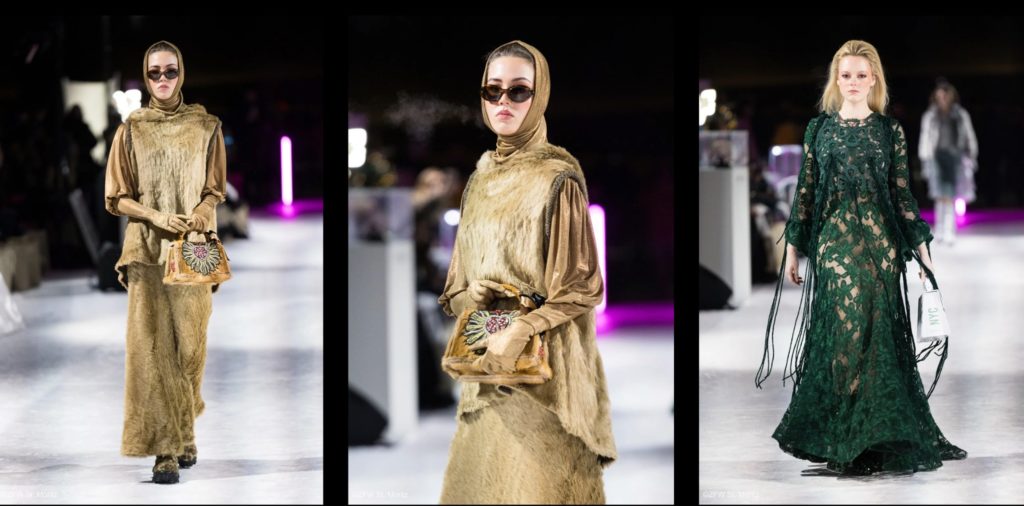
From 7 to 9 February 2025, Zurich Fashion Week organised a programme in St. Moritz, including a fashion show on the frozen Lake St. Moritz on 8 February. Against the winter landscape, models walked on the ice — an unusual setting that connected Swiss fashion with one of the country’s most recognisable destinations.
That St. Moritz chapter preceded the full Zurich edition and established an important characteristic of the project: fashion presented not only as a runway product, but as an experience linked to place.
With the 2026 programme at the Kongresshaus, that idea moved into a very different setting. The proximity between runway and audience created a more concentrated encounter with the garments themselves — their construction, movement, surfaces and details.
For a young event, Zurich Fashion Week is entering an interesting space. Switzerland has designers, schools, craftsmanship, an international clientele and a strong creative economy, yet has historically lacked a single fashion-week platform comparable in visibility to those associated with the major European fashion capitals.
Zurich Fashion Week is beginning to test what a distinctly Swiss version of such a platform might become.
Official Gallery
Official photo credits: © Zurich Fashion Week / ZFW St. Moritz
My Editorial Experience
An Unexpected Evening at Zurich Fashion Week
My own arrival at Zurich Fashion Week came almost at the last minute.
It was one of those opportunities where there was little time to plan: I was able to attend the show, bring my camera and find a position close enough to the runway to photograph the collections as they passed.
That proximity became the most interesting part of the evening for me.
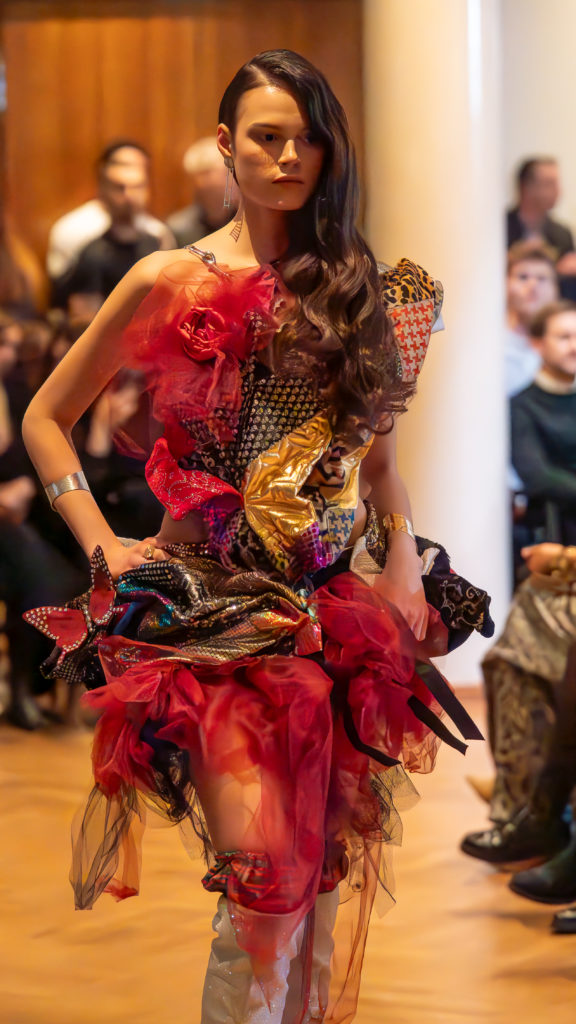
Fashion photography from the runway is often about the complete silhouette, but from this distance it was also possible to see the construction: fabrics meeting in unexpected places, oversized flowers attached to garments, chains crossing the body, deliberately irregular volumes and surfaces that changed considerably as the models moved through the warm light of the room.
Some pieces were immediately graphic. One Coco Création look combined houndstooth, gingham, florals and sharply extended shoulders within a single silhouette. Other looks replaced conventional symmetry with layered flowers, transparent material and fragments of contrasting textile.
The visual language changed again as the show progressed. There were quieter dresses and restrained forms, followed by darker pieces with pronounced structure and reflective surfaces. Through the camera, the contrast between collections became particularly apparent.
The setting also mattered. This was not a runway observed from a great distance. Models moved through a room surrounded closely by the audience, making the garments feel physical rather than abstract. Behind them, the wooden architecture, columns and spectators remained visible in the photographs. Instead of removing the environment completely, I wanted some of that context to remain.
I could not stay for the cocktail afterwards. I had to leave Zurich because I was working early the following morning.
So my experience of the event was relatively short: arrival, runway, photographs, departure.
But sometimes that is enough.
What stayed with me was the sense of a fashion platform still defining itself — and the pleasure of discovering several very different collections in one evening, almost unexpectedly.
Palomino Gallery