The Story
A Global Meeting Point for Superyachting
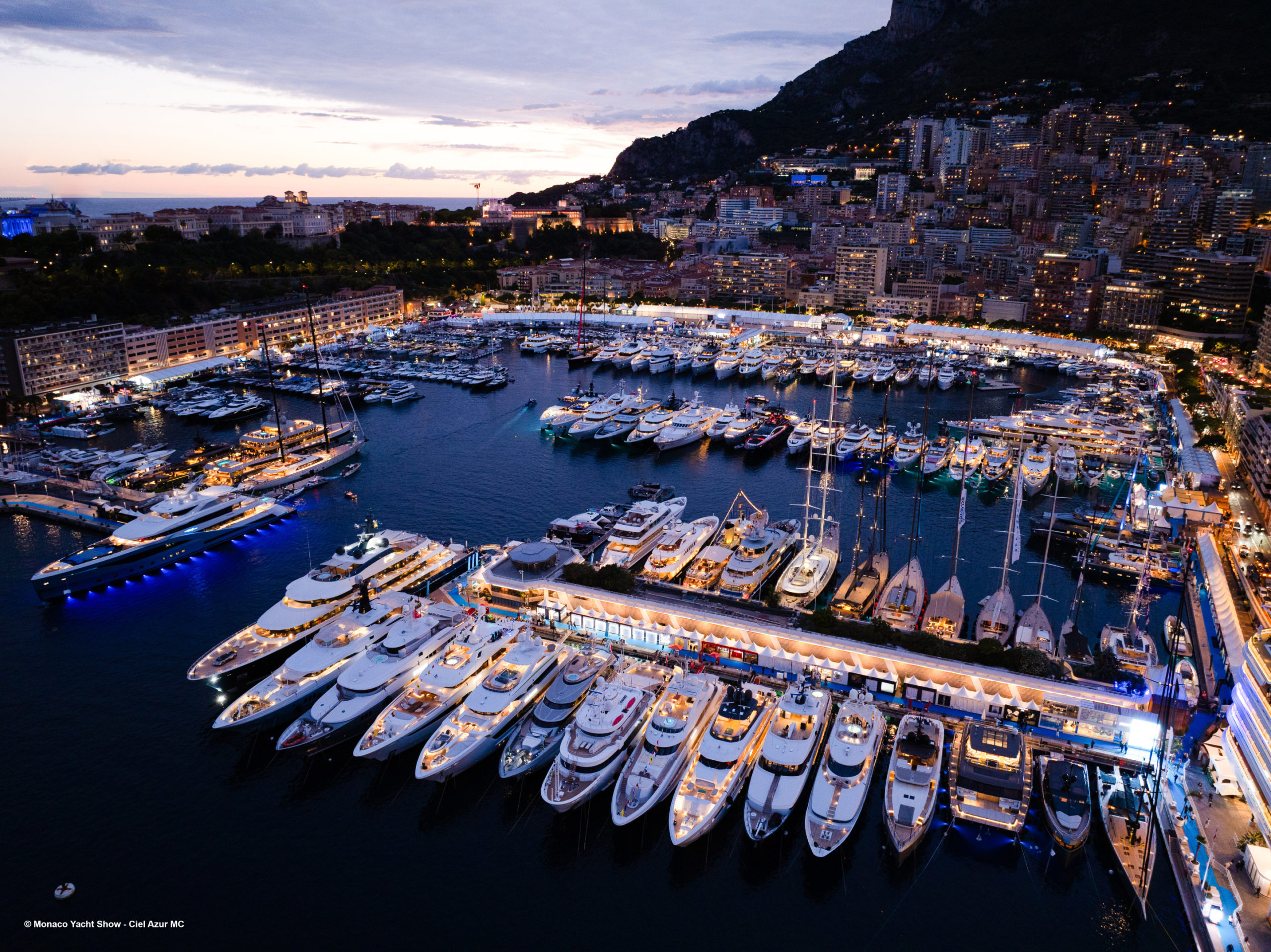
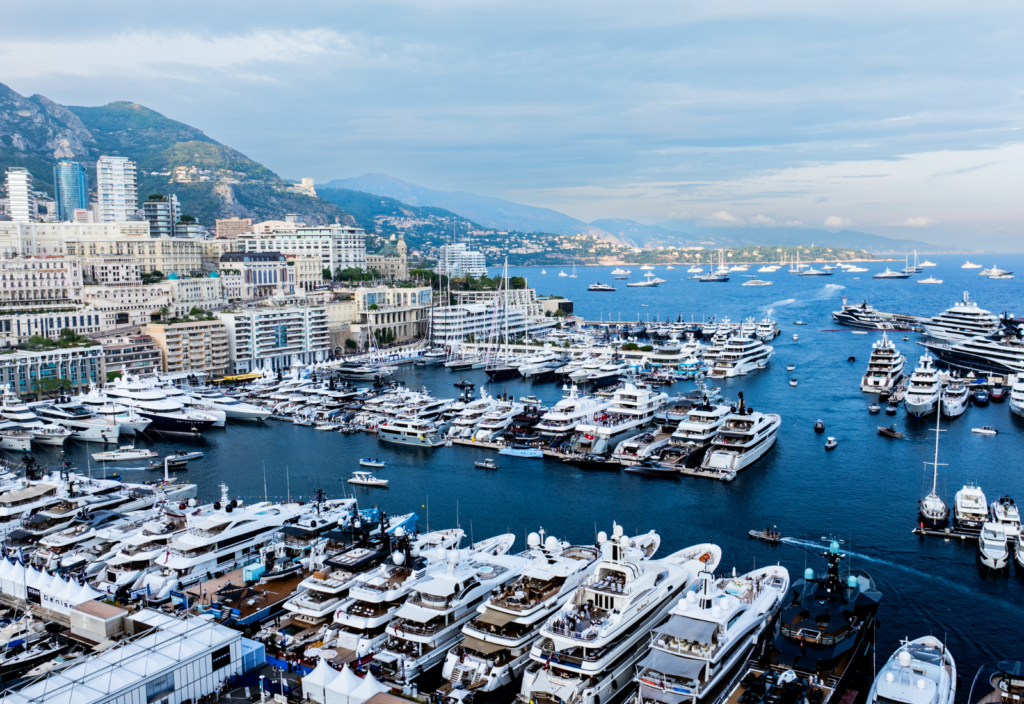
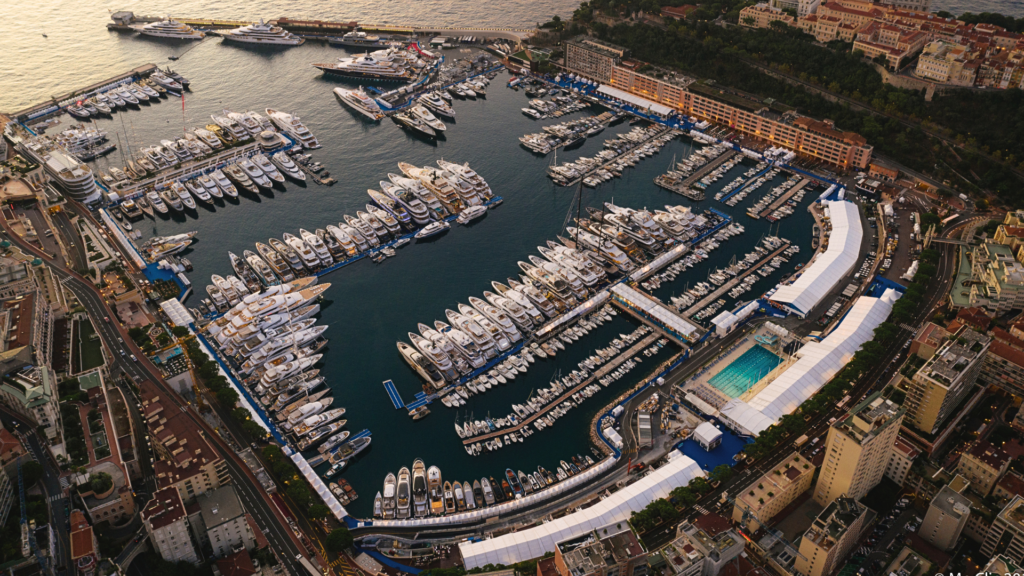
From 25 to 28 September 2024, the Monaco Yacht Show returned to Port Hercule for its 33rd edition, bringing together yacht owners, prospective owners, charter clients and professionals from across the international yachting industry.
The scale was considerable. 29,197 visitors attended the four-day event, while 554 companies represented the many disciplines surrounding the design, construction, operation and experience of contemporary superyachts.
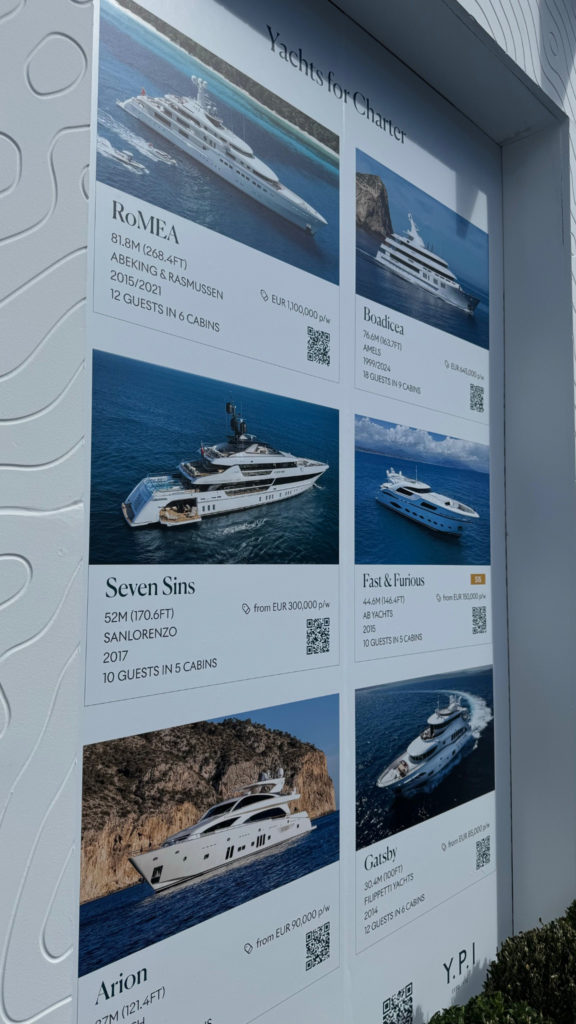
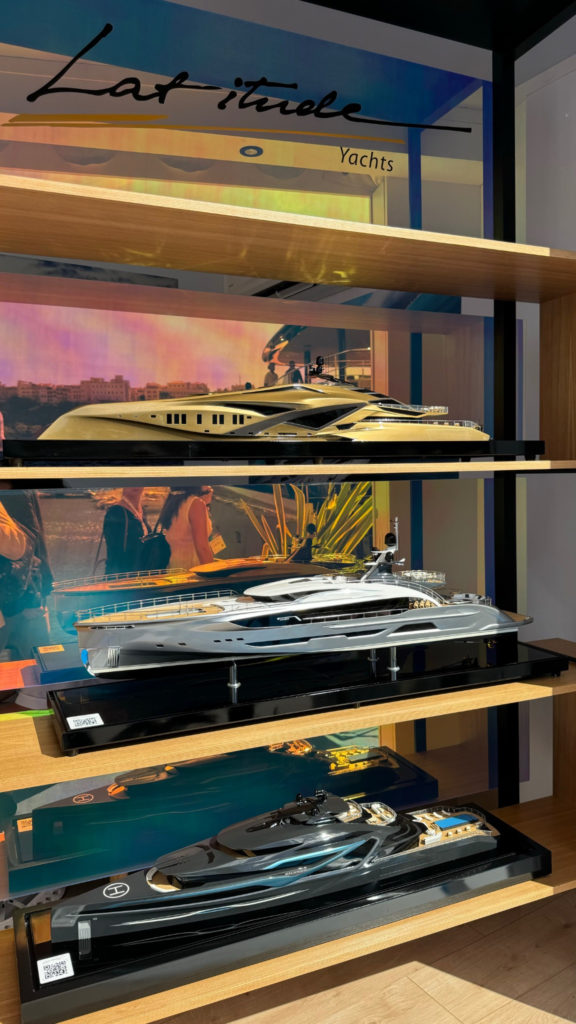
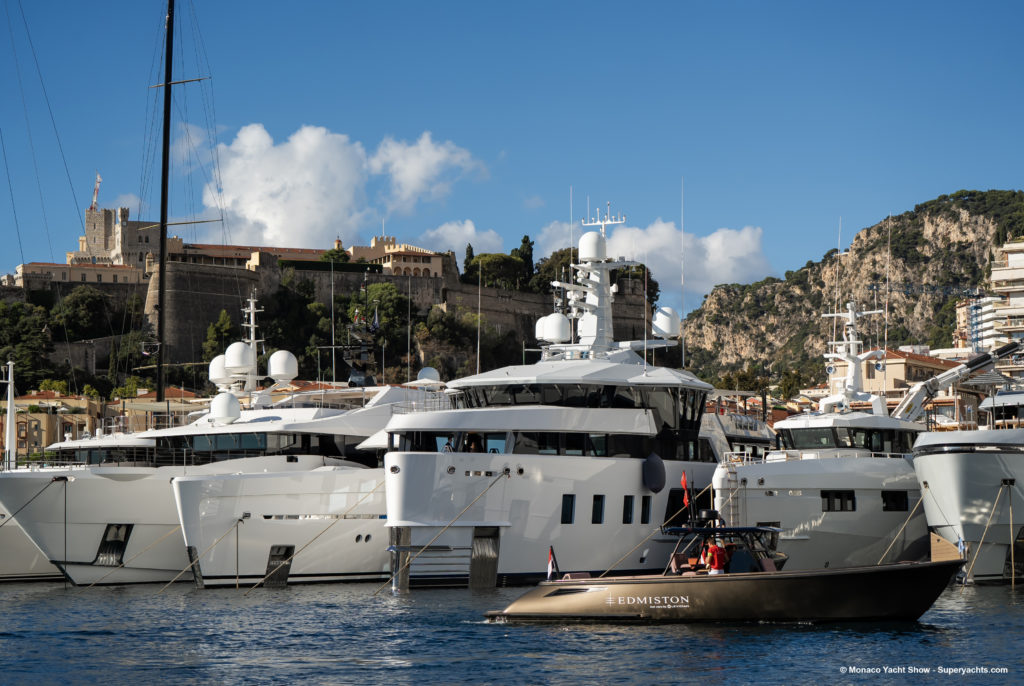
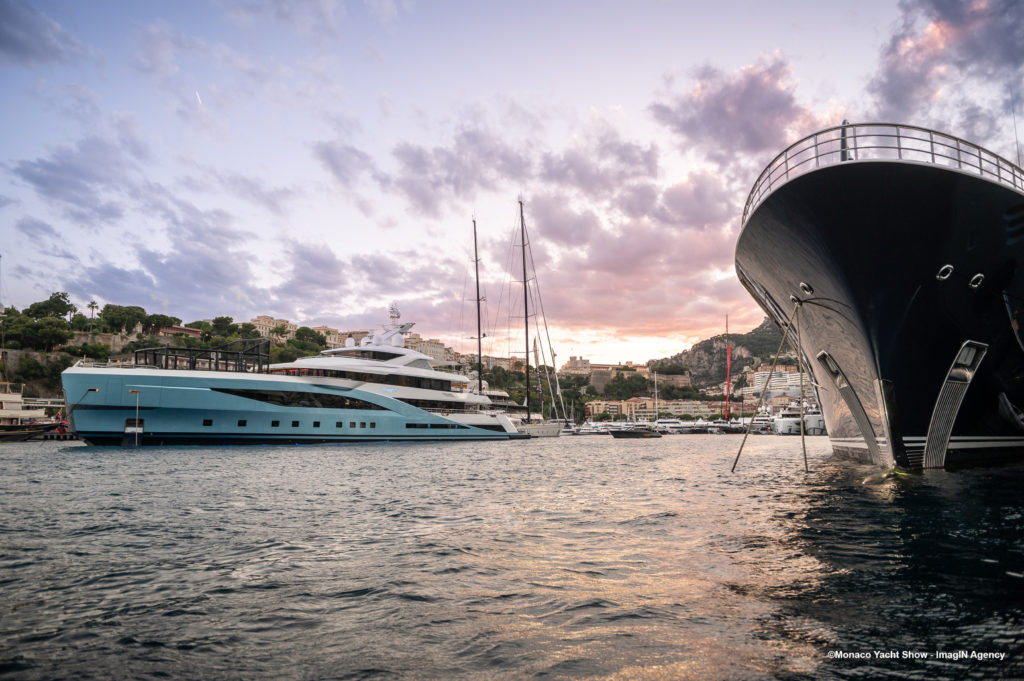
At the centre of the show was a fleet of 120 superyachts presented by international shipyards and brokers. Forty-six had been launched in 2024 and another 15 in 2023, meaning that more than half of the yachts displayed at Port Hercule were less than two years old.
The result was not simply an exhibition of yachts. Port Hercule became a temporary working environment for an international industry.
Designers, naval architects, shipyards, brokers, equipment manufacturers and specialist service companies occupied the quays alongside owners, clients and crews. A preliminary list published before the event anticipated more than 560 participating companies, illustrating the breadth of an industry extending far beyond yacht construction itself.
Design, Technology and the Future of Yachting
The exhibition extended through several specialised areas around Port Hercule.
The Yacht Design & Innovation Hub brought together 16 yacht designers and naval architecture specialists, with projects addressing design as well as the growing challenge of reducing environmental impact.
Elsewhere, the Sustainability Hub focused attention on technological and environmental developments within the industry.
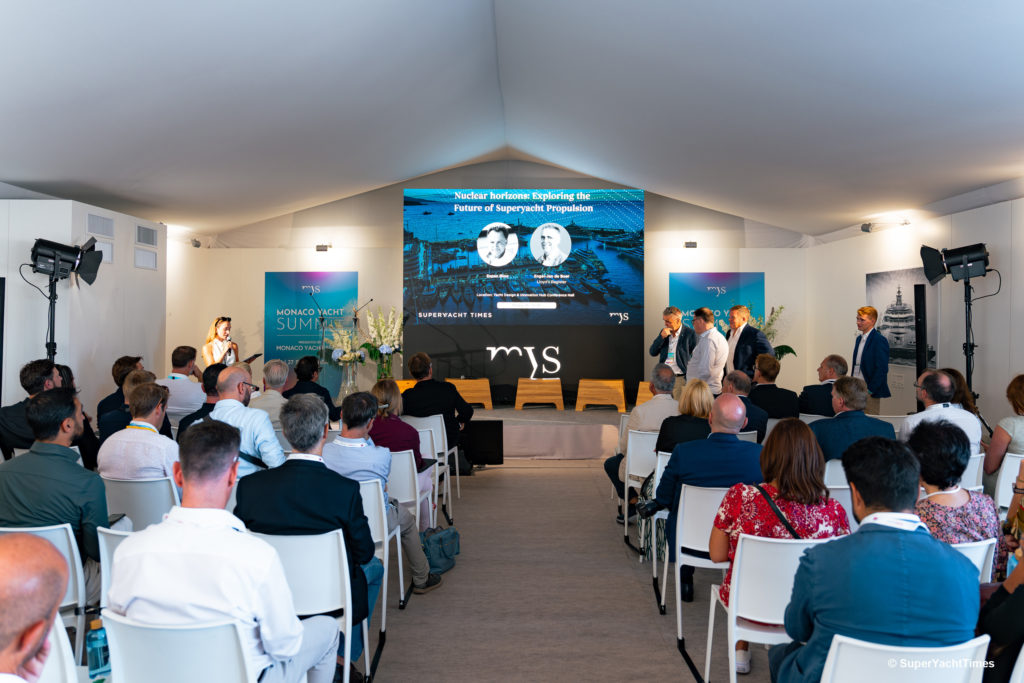
Across the show, 22 conferences explored subjects including alternative propulsion, more responsible materials, artificial intelligence aboard yachts, refitting and conversion, and the increasing level of personalisation expected from contemporary yacht projects.
These discussions placed an important question alongside the spectacle of the yachts themselves: how an industry built around highly complex private vessels responds to changing technological and environmental expectations.
Beyond the Superyachts
The Monaco Yacht Show also presented the wider ecosystem surrounding life aboard a yacht.
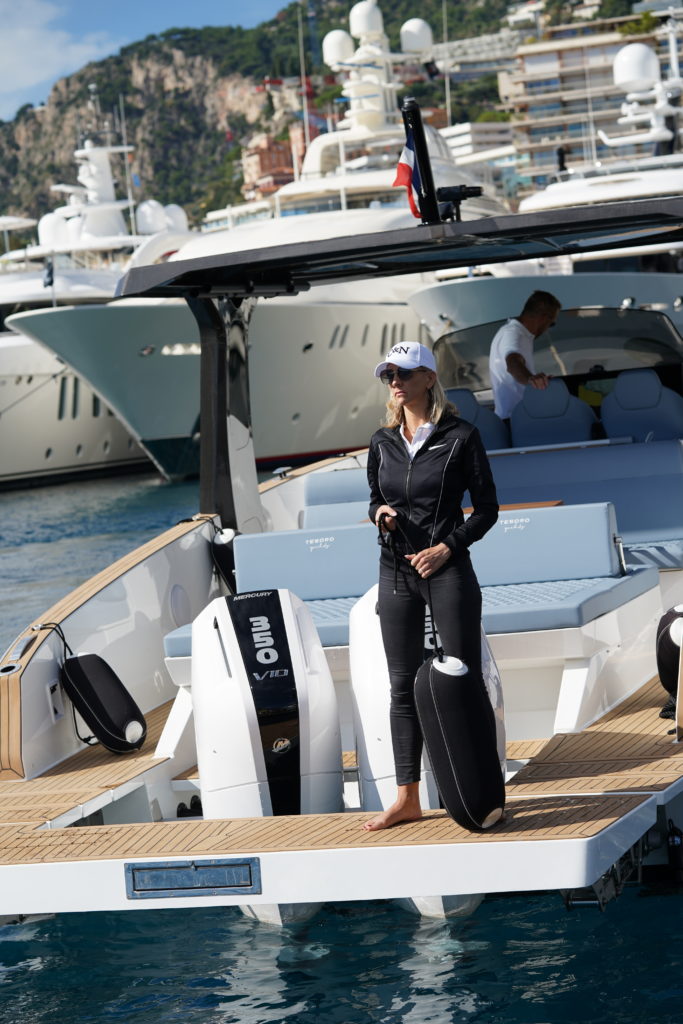
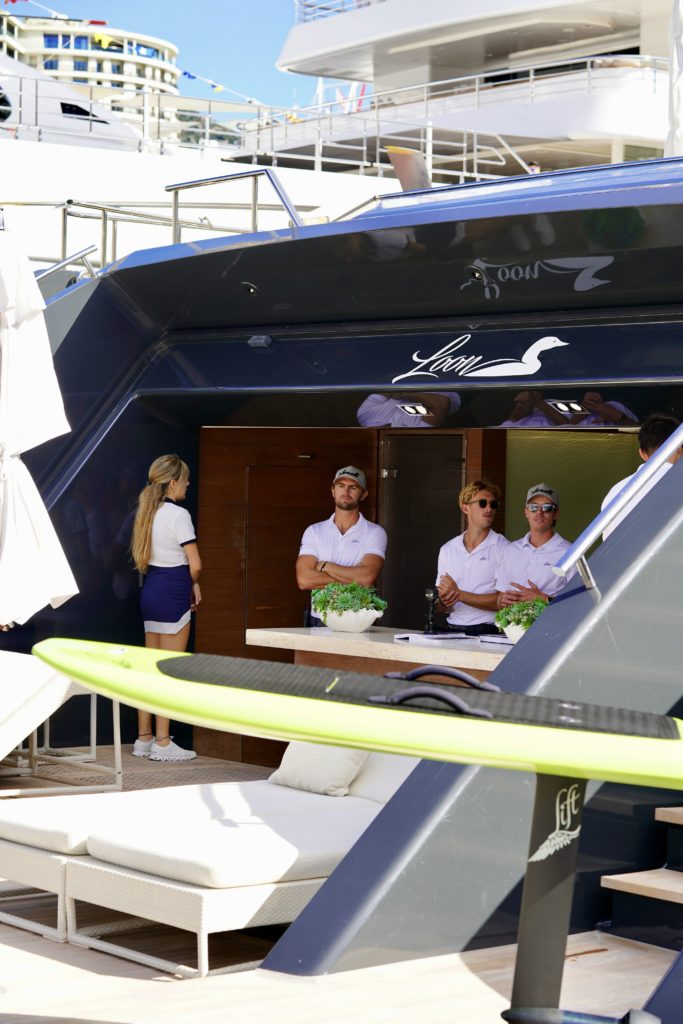
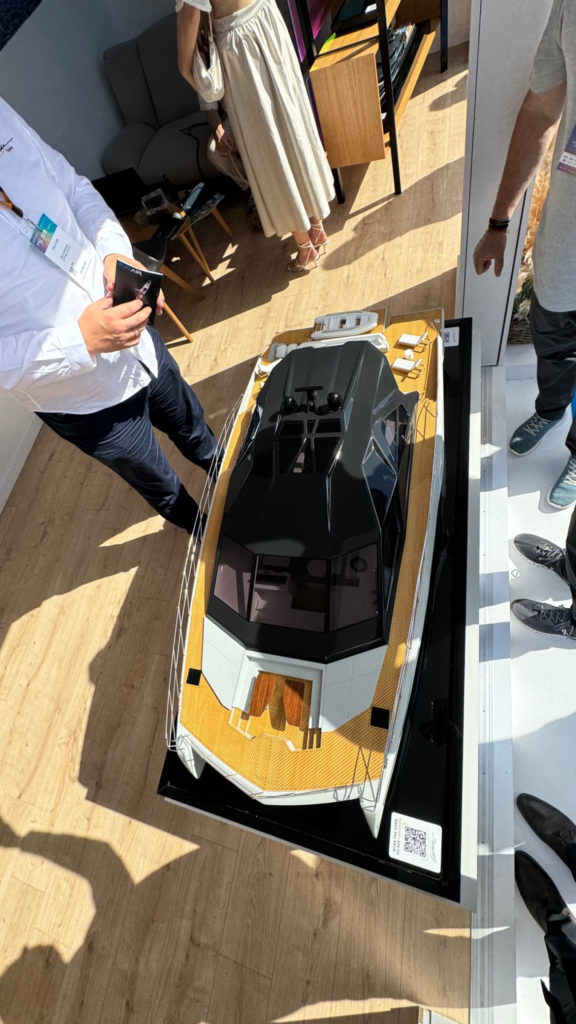
The Adventure Area included 61 tenders, alongside water toys and luxury vehicles. The show’s official programme extended this world to cars, motorcycles and other forms of mobility associated with contemporary yachting.
Interior architecture and decoration occupied another part of the exhibition, particularly around the Parvis Piscine and Upper Deck Lounge.
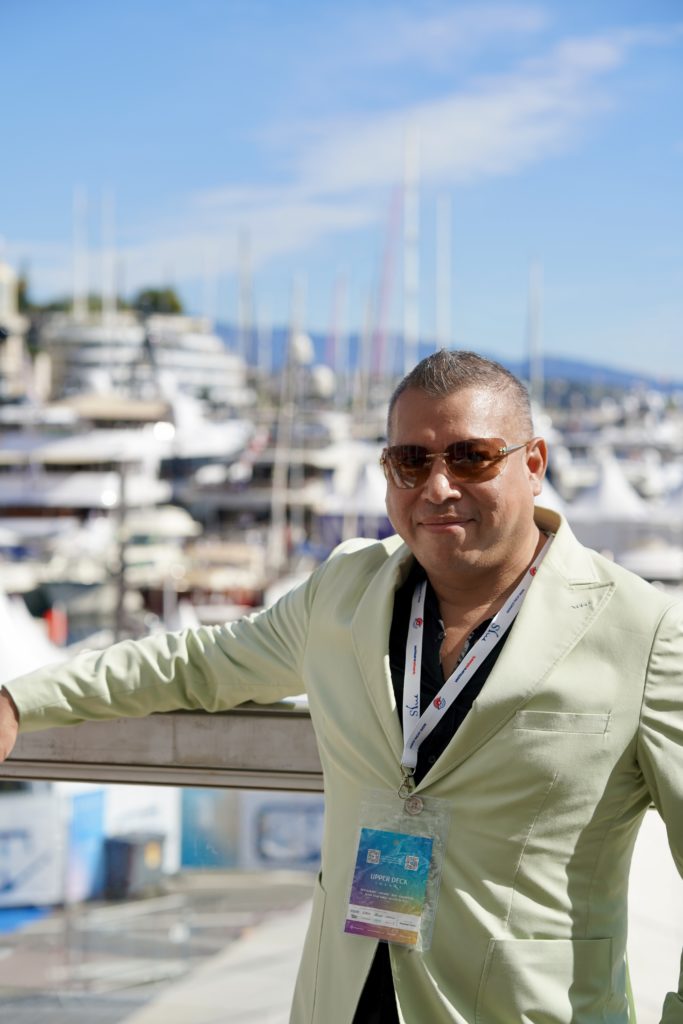
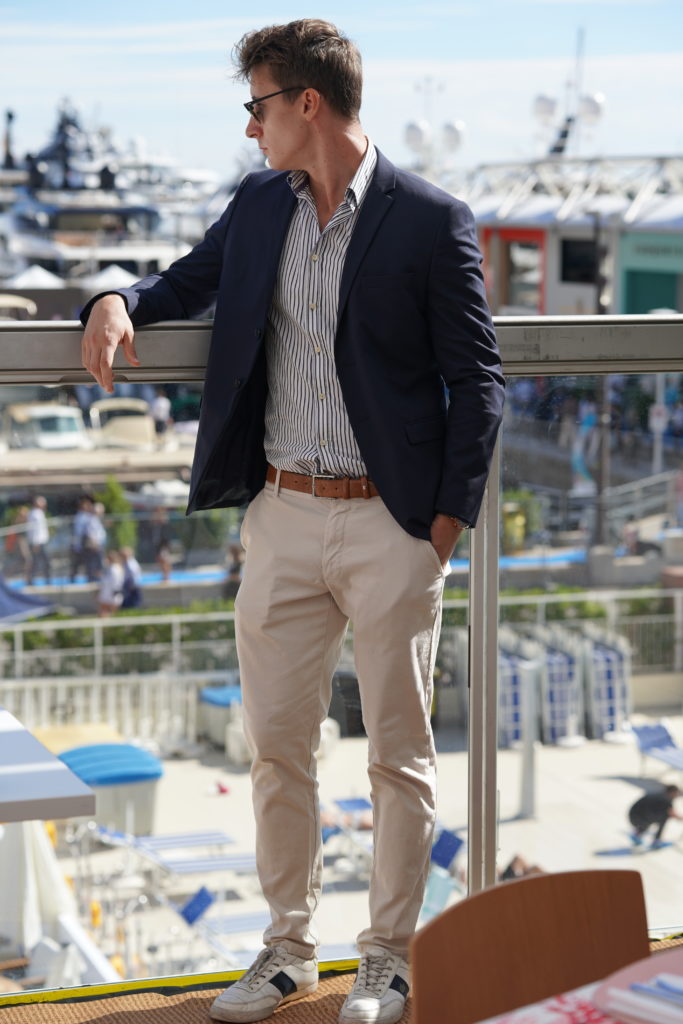
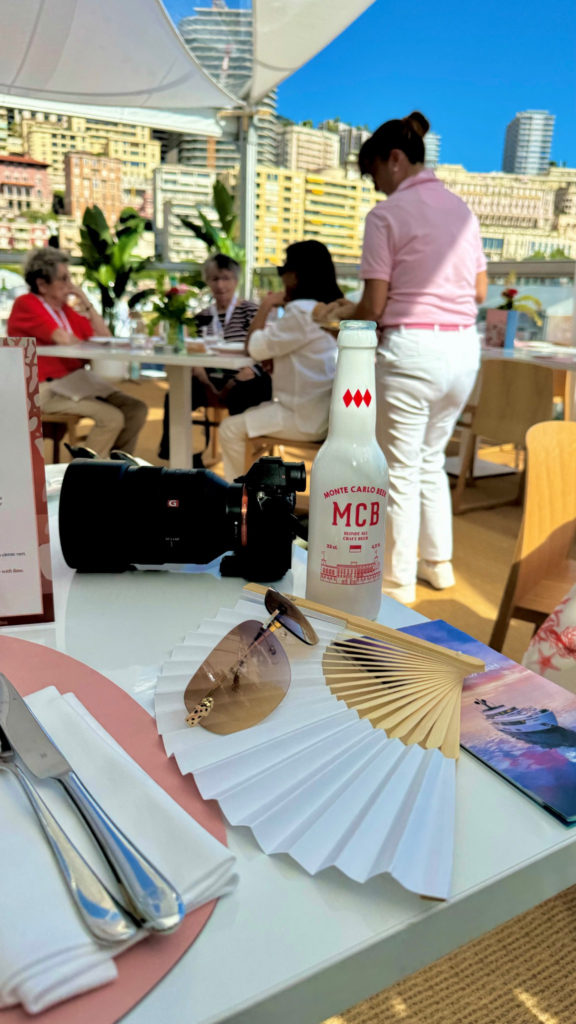
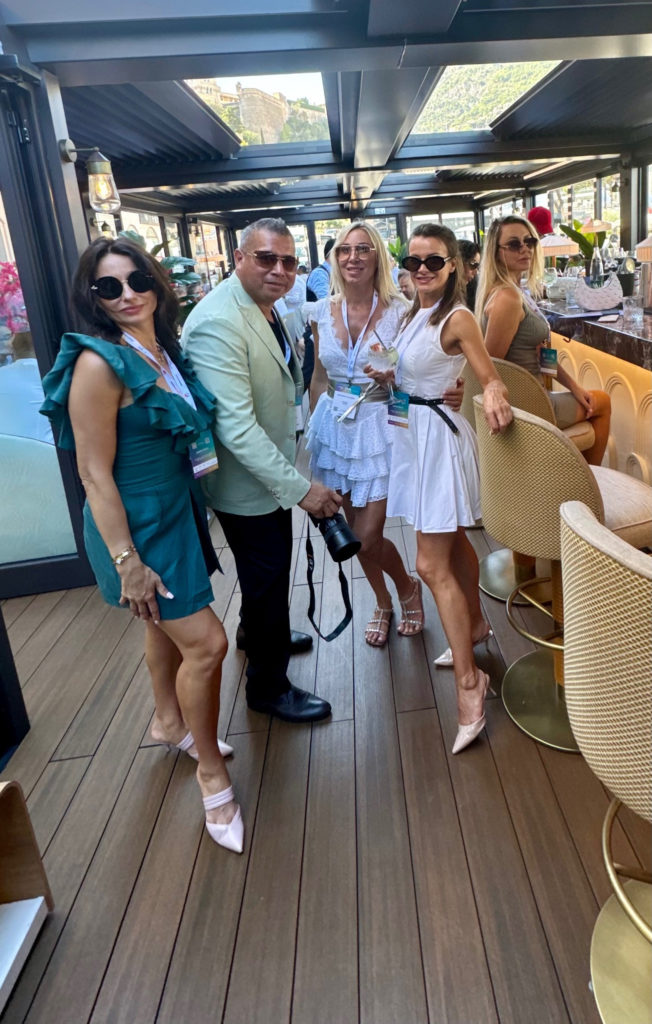
The Upper Deck Lounge, overlooking Port Hercule, provided a quieter meeting environment where yacht owners, visitors, exhibitors and industry professionals could meet away from the quays. Its 2024 partners included Dassault Aviation, Driven Properties, Giobagnara, Paola Lenti, Preciosa, Sabrina Monte-Carlo and Sindalah.
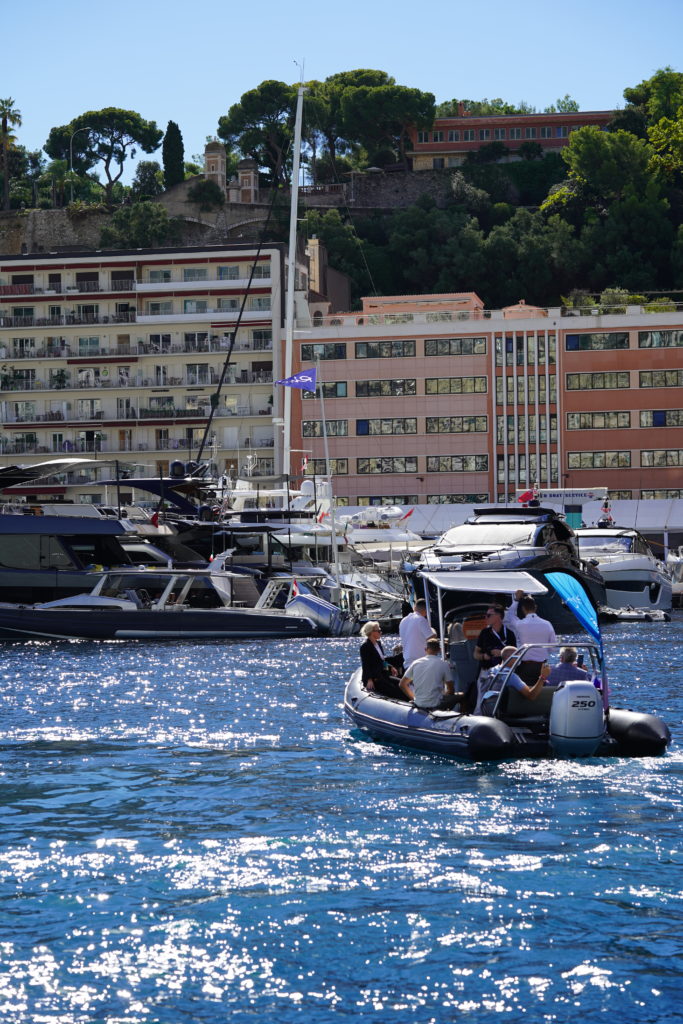
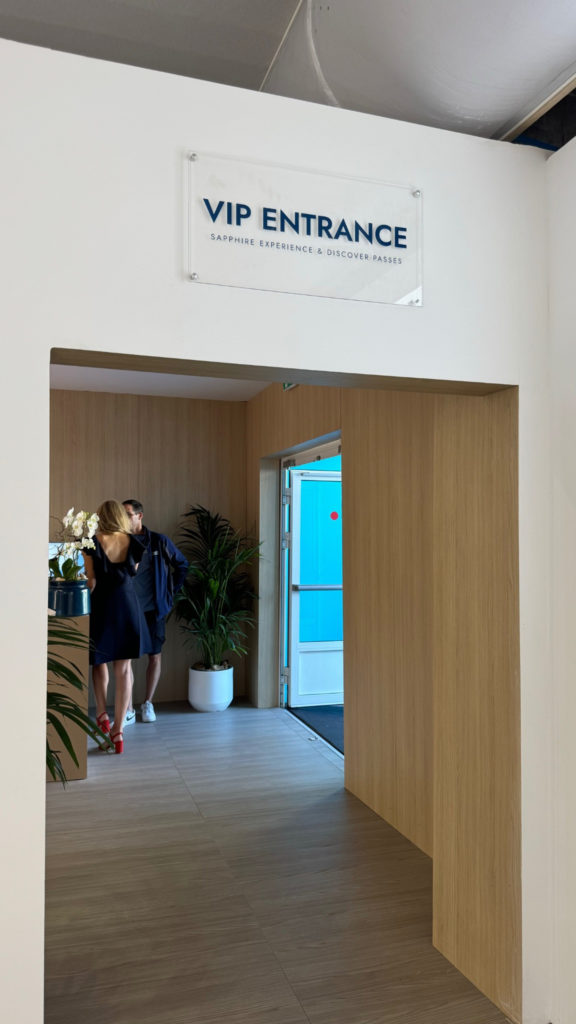
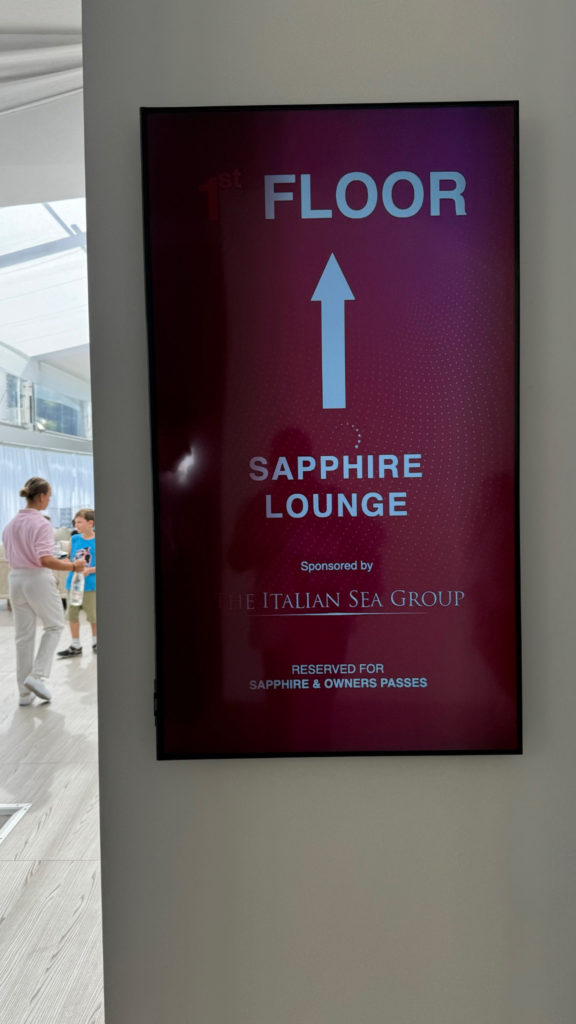
The official 2024 plan shows how extensive this temporary ecosystem had become: exhibition areas, restaurants, conference spaces, VIP facilities, the Sapphire Lounge, Captains & Crew Lounge and a network of shuttle boats connecting different points around Port Hercule.
An Industry Meeting Behind the Spectacle
Perhaps the most significant aspect of the Monaco Yacht Show is therefore not simply the concentration of large yachts in one harbour.
For four days, many of the people responsible for imagining, designing, financing, building, selling, managing and operating these vessels occupy the same relatively compact space.
The yachts provide the extraordinary visual setting.
The conversations taking place around them reveal the industry.
Official Gallery
Official photography: © Monaco Yacht Show and respective credited photographers/companies, as indicated on each image.
My Editorial Experience
Inside Port Hercule
My own experience of the Monaco Yacht Show began differently from that of an ordinary visitor.
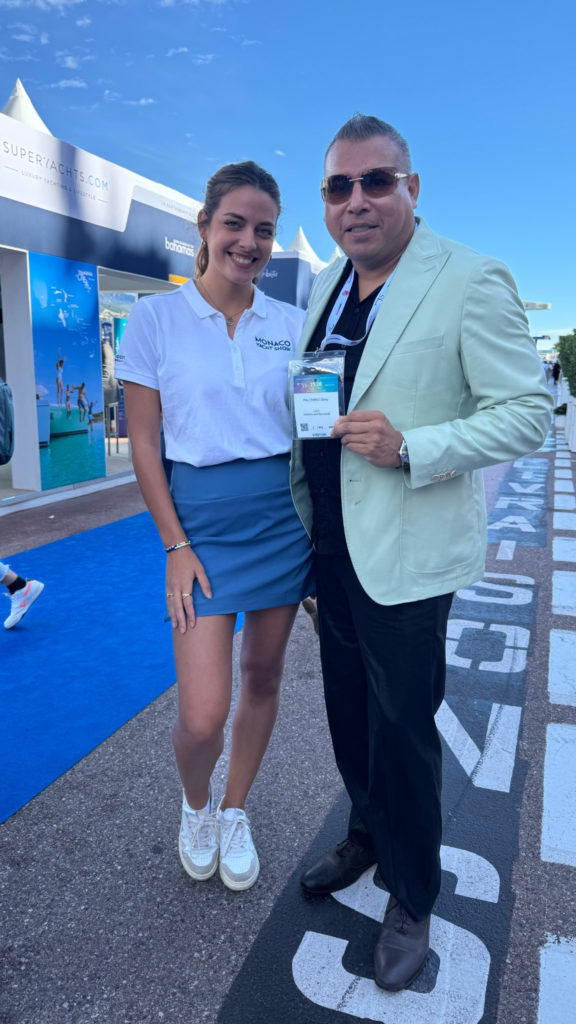
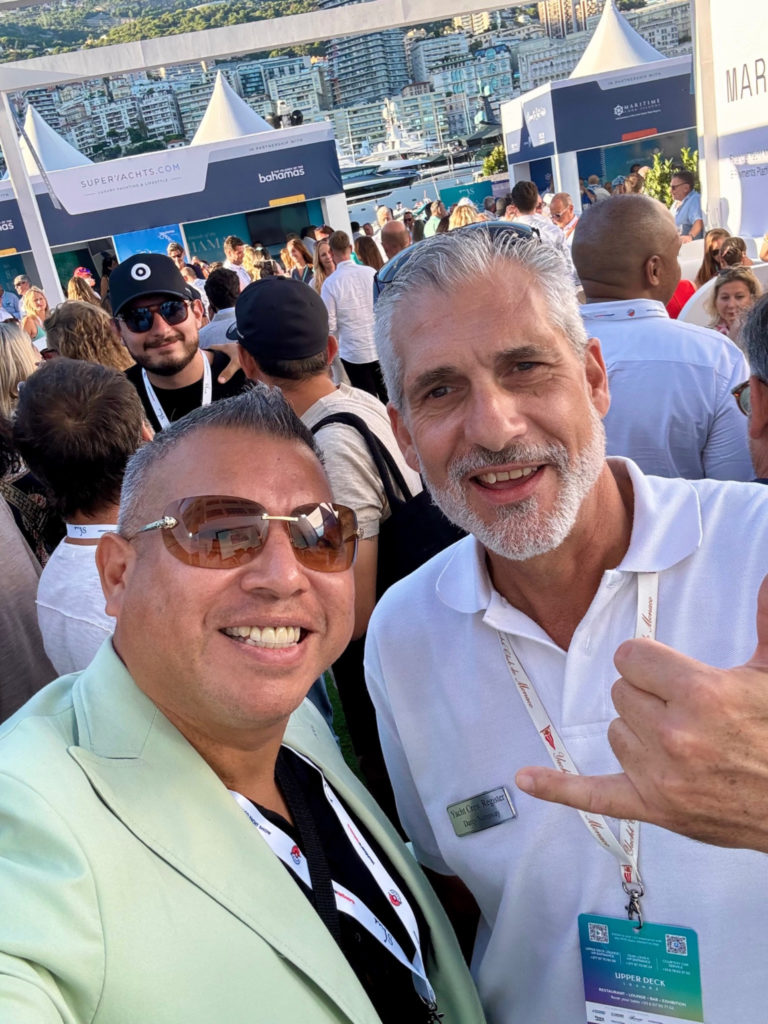
I arrived in Monaco and made my way to Port Hercule, where I obtained access through an accreditation provided by a yacht owner. Once inside, the scale of the event became much clearer.
This was not simply a boat show enlarged to accommodate bigger yachts.
The harbour had effectively become a temporary international meeting place for the superyacht industry.
Walking through the show meant moving continuously between yachts, shipyards, brokers, specialist suppliers, designers and people whose professional lives revolve around these vessels. Shuttle boats crossed Port Hercule throughout the day, making it possible to move between different sections of the exhibition from the water rather than continually walking around the harbour.
That movement became part of the experience itself: leaving one quay, crossing between some of the world’s largest private yachts and arriving a few minutes later in another part of the show.
A World Beyond the Yachts
The yachts were naturally the centre of attention, but what interested me increasingly was everything surrounding them.
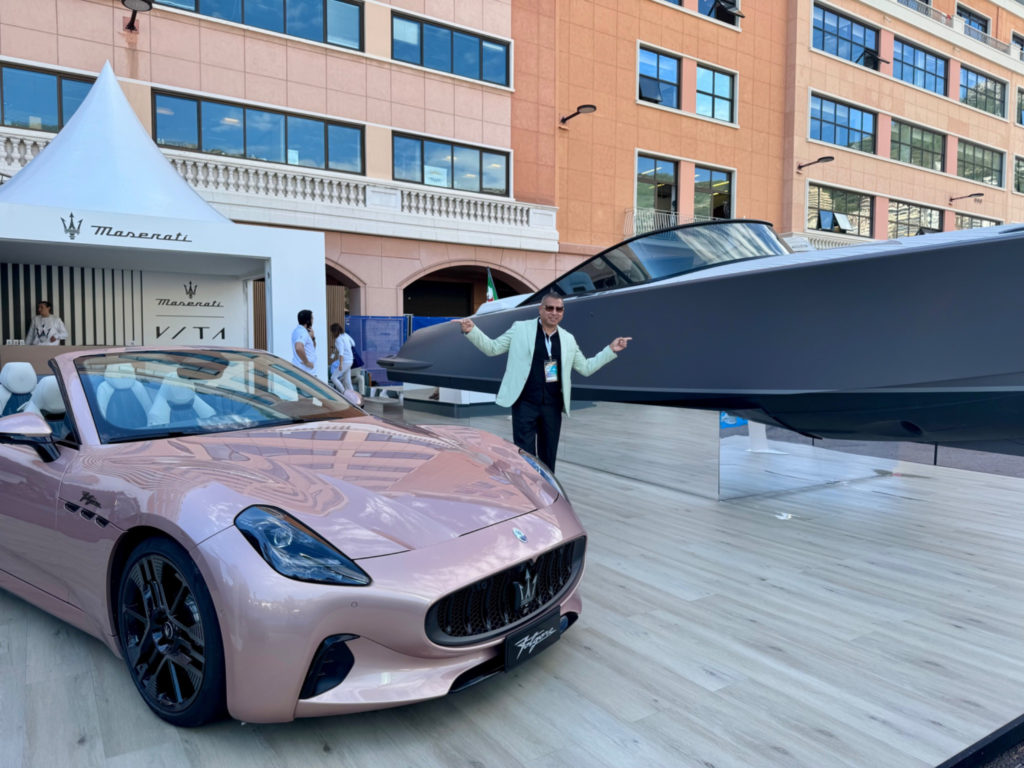
Tenders and water toys occupied parts of the exhibition. Elsewhere were automotive displays, including Maserati, as well as other forms of mobility associated with life aboard large yachts.
But behind the objects were the people.
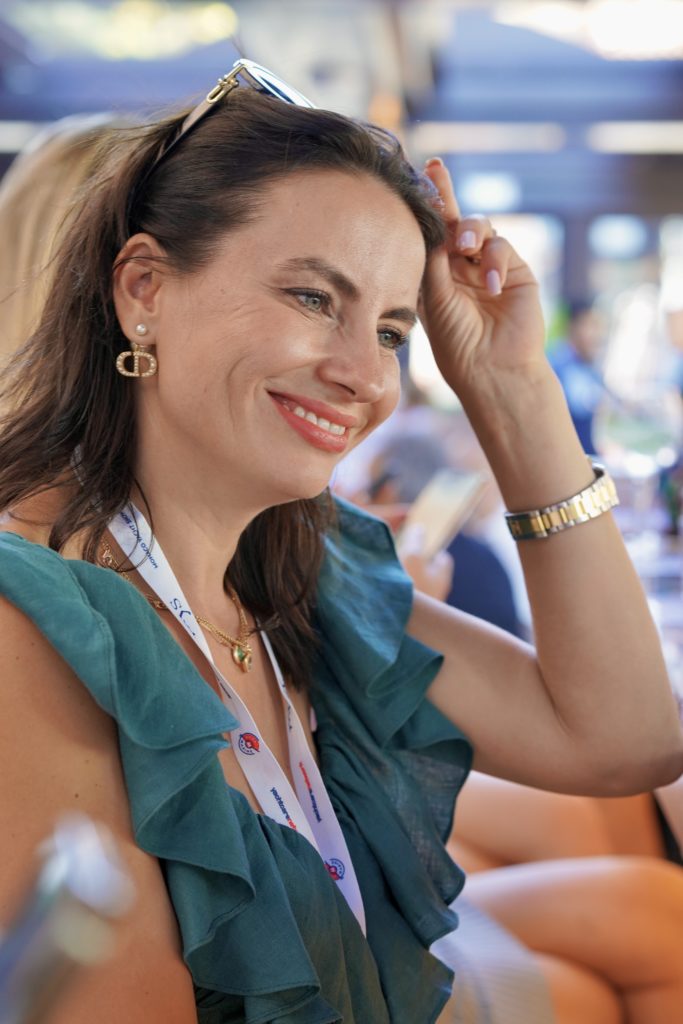
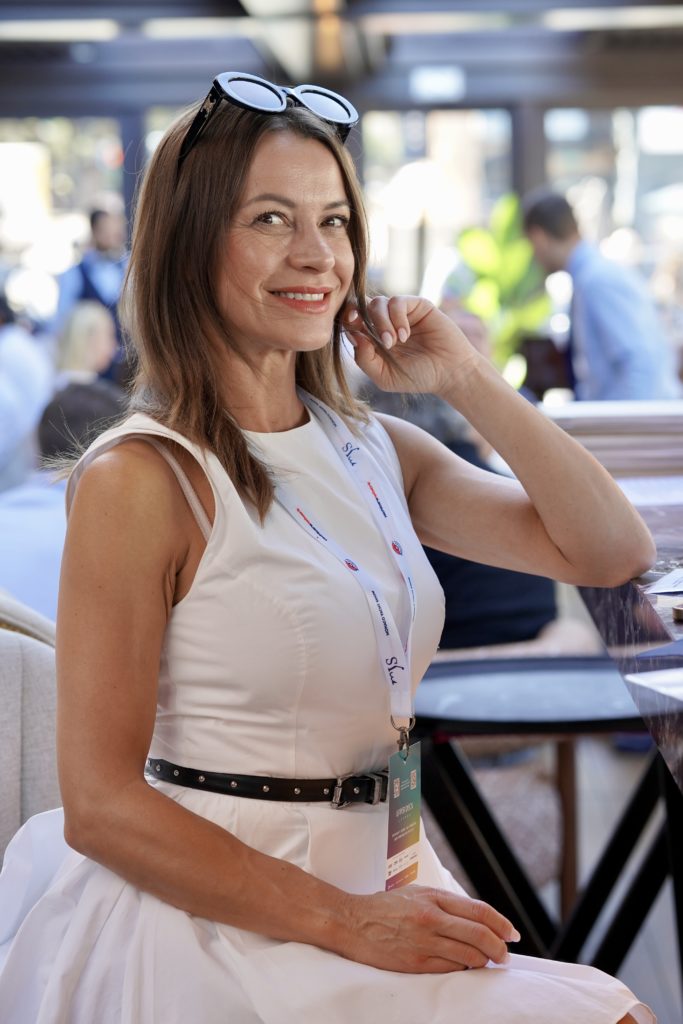
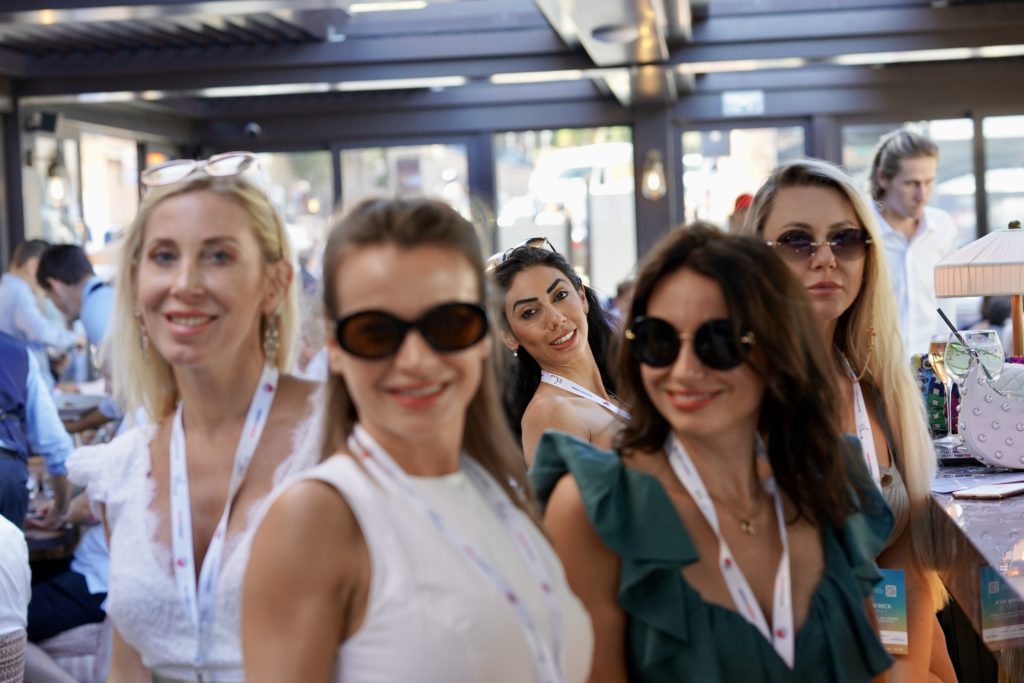
During the day I met professionals from different parts of the industry, including women working in yacht architecture and design. Conversations developed naturally in the lounges and terraces overlooking Port Hercule, sometimes over a drink and sometimes simply while moving between appointments and exhibitions.
That is where the Monaco Yacht Show began to make more sense to me.
The yachts are spectacular, but much of the real activity happens around them.
A Professional World Built on Relationships
Access aboard the largest yachts is controlled and private visits take place by arrangement. This gives the Monaco Yacht Show a noticeably different rhythm from a conventional public yachting exhibition.
Many conversations are professional. Owners, potential clients, brokers, designers, shipyards, captains, crew specialists and service companies are all present in the same harbour.
For a photographer and journalist, that environment offered another perspective.
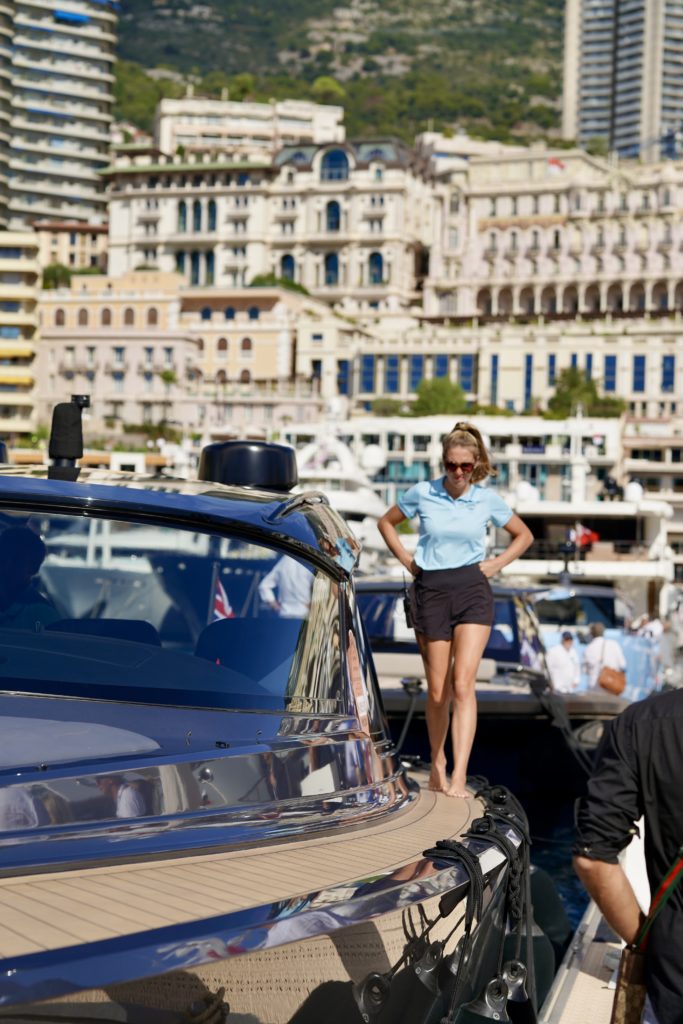
I photographed the yachts and the activity around Port Hercule, but I also spent time observing the people who make this industry function: crew preparing tenders, representatives welcoming visitors, designers meeting clients and groups gathering in the lounges between appointments.
One conversation introduced me to a professional involved in recruiting and placing crew aboard yachts. Others led simply to new acquaintances — people I could meet again at another event, in another harbour.
The Monaco Yacht Show is built as much around those connections as around the vessels themselves.
When the Working Day Ends
Towards the end of the day, the atmosphere changed.
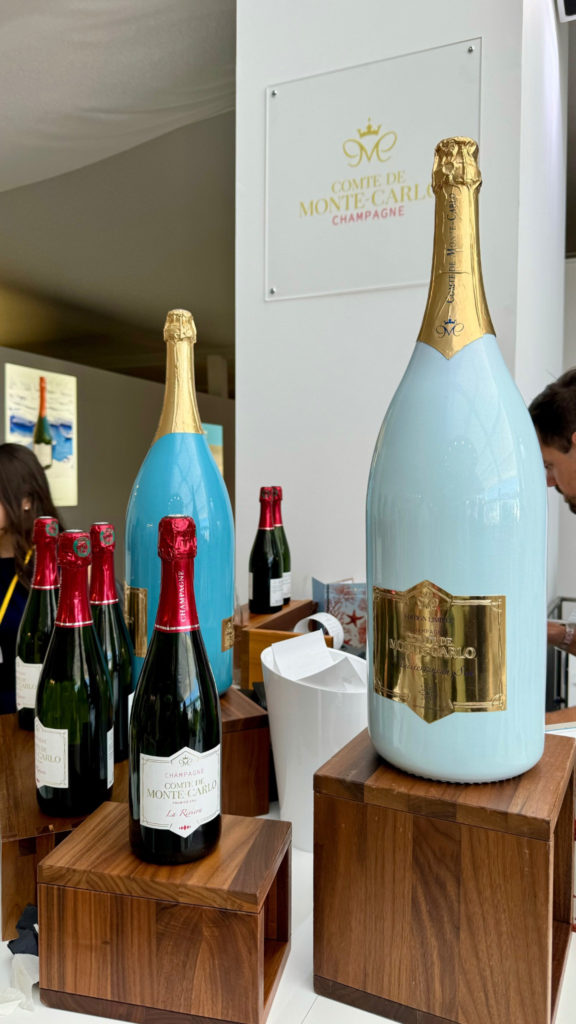
The serious rhythm of meetings and visits gradually gave way to champagne, music and conversation. Terraces filled, glasses appeared and people who had spent the day moving between yachts finally had time to stay in one place.
Later came an after-party.
There was music, dancing and the opportunity for conversations that had started during the day to continue in a completely different atmosphere. I even recorded a short message for a local radio station.
By then, Port Hercule no longer felt like an exhibition I had simply visited.
I had spent the day moving through it, photographing it, meeting the people behind it and gradually becoming part of its rhythm.
And that, more than the dimensions of any individual yacht, is what remained with me.
For a few days each September, Monaco does not simply display the world of superyachting.
It becomes its meeting place.
Palomino Gallery